COMICBOOKSTOCKEXCHANGE.COM·
UTC LIVE TIMEDEAL RADAR
MARKET CLOCKS
HOME OFFICEHOME OFFICE--:--
NYSENew York--:--
LSELondon--:--
JPX / NIKKEITokyo--:--
DFM / ADXDubai--:--
WORLD / UTC--:--
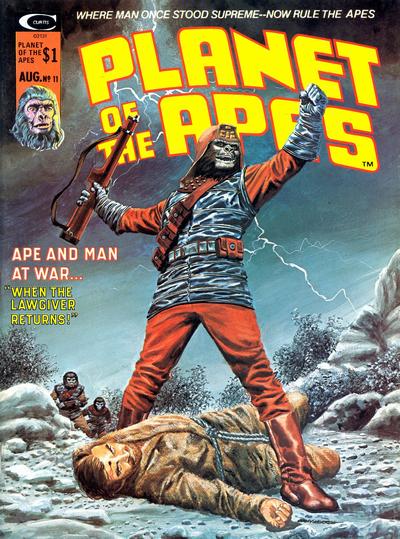
Independent·Planet of the Apes·#11·Bronze Age·ID-2450514
Empirical cash settlement intelligence, cross-grade elasticity curve, and secondary liquidation velocity.
Empirical step multipliers between adjacent condition tiers. Pinpoints the exponential premium transition and capital efficiency frontier.
Realized turnover cadence and capital absorption depth across certified auction comps.
Autonomous institutional strategies, financial equilibrium, scarcity modeling, and algorithmic risk profiling.
Market operates purely on organic buyer and seller auction discovery. Zero artificial price interventions or emergency liquidity halts on record.
Verified historical transaction line with quarterly equilibrium baseline anchor.
Understand how physical sales, invested dollars, and liquidity friction divide across grades.
Historical price records
Relative market value allocation
Estimated execution friction
Bibliographic provenance, creator credits, historical significance, and multimedia documentation.
Doug Moench
? (photography)
? (photography)
No narrative synopsis recorded in GCD for this sequence.
Publisher profile coming soon
Comics grow darker and more socially aware. Wolverine, Punisher, Swamp Thing debut. Creator-driven storytelling emerges.
Newsstand variants carry meaningful scarcity premiums. First appearances from this era are blue-chip investments.
Bronze Age (1970–1984) — comics grew darker and more socially aware. The era of classic runs, creator-driven storytelling, and the birth of serious collecting culture. Newsstand variants carry a meaningful scarcity premium.
Inspectable mathematical proof, blockchain/ledger provenance, data integrity validation, and asset taxonomy.
In illiquid alternative asset markets, sovereign blue-chip holdings trade at an exponential multiple over mid-grade float due to institutional accumulation and inelastic seller reservation prices.
Each cover variant, retailer incentive, and subsequent printing represents an independent atomic tradeable instrument with unique supply elasticity, barcode registration, and secondary market demand.
Strict algorithmic segregation separating clean single-issue Cover A sales from multi-issue lot bundles, retailer exclusives, and foreign variants.
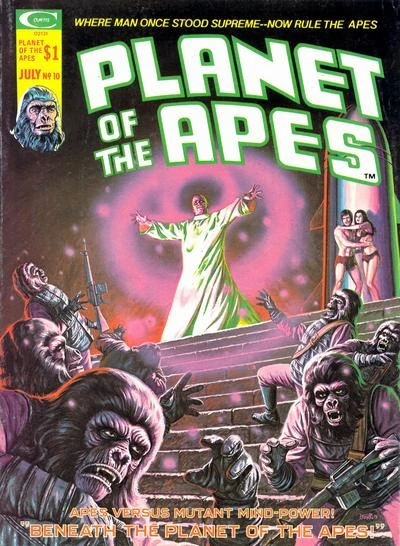
Planet of the Apes #10
9.8
$946.92
9.6
—
9.4
—
RAW
$18.77

Planet of the Apes #1
9.8
$861.00
9.6
—
9.4
—
RAW
$41.44
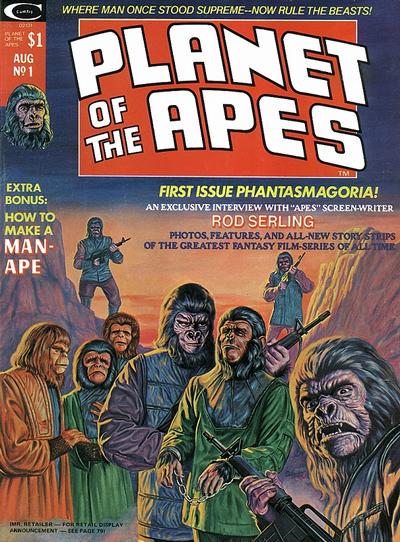
Planet of the Apes #1
9.8
$758.20
9.6
—
9.4
—
RAW
$51.00
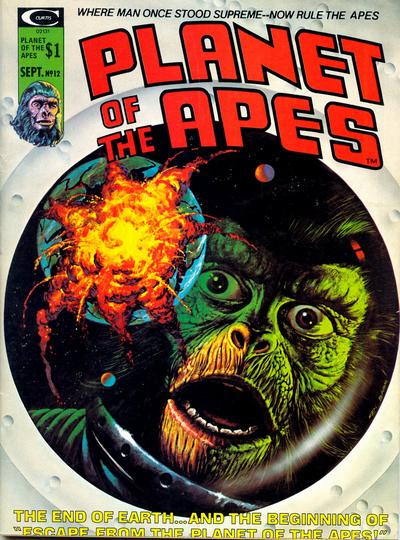
Planet of the Apes #12
9.8
$669.64
9.6
—
9.4
—
RAW
$12.45
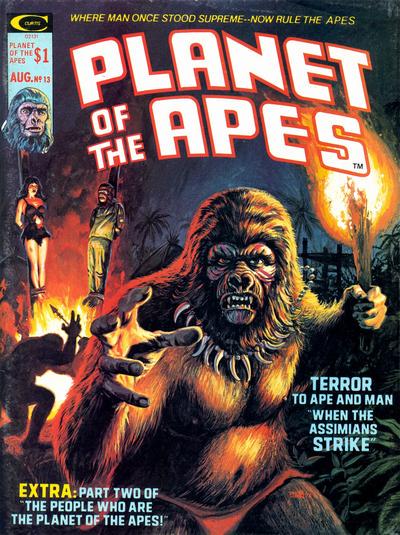
Planet of the Apes #13
9.8
$633.90
9.6
—
9.4
—
RAW
$13.00
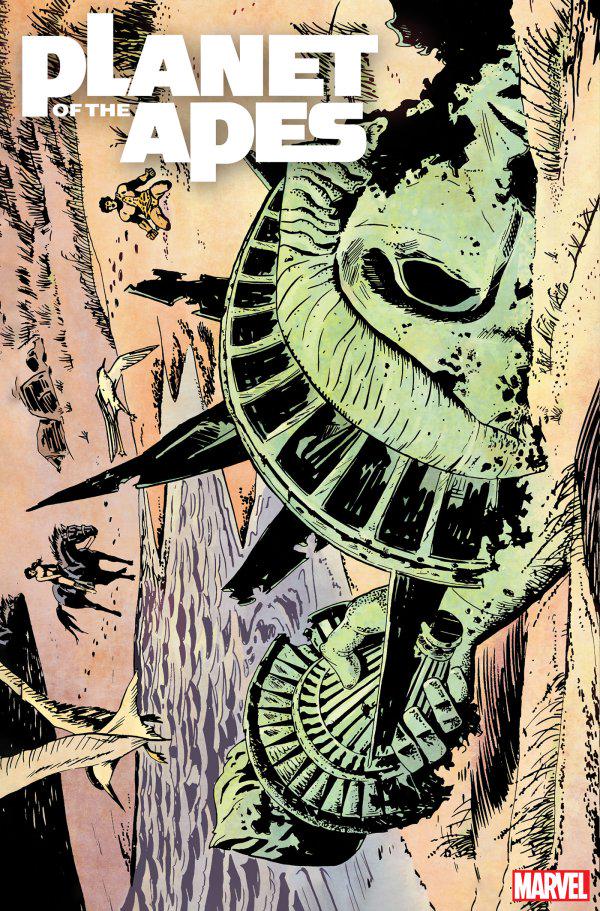
Taylor and Nova ride away from the apes on horseback. A short while later they hear an explosion and see a great plume of smoke rise into the air. Dr. Zaius has gone back on his promise not to destroy the cave and its artifacts. While riding along the coast line they come to a startling sight: the remains of the Statue of Liberty. Taylor is distraught. He thought he was on a distant planet, but realizes now he is on Earth after human civilization has been destroyed.
Biographical information on actor Mark Lenard, who played the military gorilla Urko in The Planet of the Apes (1968) and several sequels; and as Galen in the Planet of the Apes (1974) TV Series.
Ka-Zar uncovers the truth that Heinrich Draco and Captain Christopher, the leaders of the two warring factions in New Britannia, know that the war is over and are prolonging it for their own reasons. He and Zabu manage to stop the two when they try to blow up the Savage Land by dropping a bomb into a volcano.
Prince Rudolfo escape's Doom's dungeons and leads another attack on the castle with the help of The Faceless One and the Doomsman.
“| Speaker =”
— | StoryTitle1 = When the Lawgiver Returns
| Appearing1 = Featured Characters:Category:Interwiki Appearances Needed <!--Supporting Characters: <br/>--> <!--Antagonists: <br/>--> <!--Other Characters: <br/>--> <!--Locations: <br/>--> <!--Items: <br/> --> <!--Vehicles: * <br/> -->
| Trivia =