COMICBOOKSTOCKEXCHANGE.COM·
UTC LIVE TIMEDEAL RADAR
MARKET CLOCKS
HOME OFFICEHOME OFFICE--:--
NYSENew York--:--
LSELondon--:--
JPX / NIKKEITokyo--:--
DFM / ADXDubai--:--
WORLD / UTC--:--
Marvel·Thor·God of Thunder·#6·Independent·ID-2411172
| Grade | Census & Float Distribution | Copies / Slabs | Role | FMV | Sales | Total Value | Multiple |
|---|---|---|---|---|---|---|---|
| 9.8 | 729 of 1,686 slabs (43.2%) | 729 | SOV | $114.36 | 29 | $83,368 | (3.9x) |
| 9.6 | 448 of 1,686 slabs (26.6%) | 448 | $45.00 | 8 | $20,160 | (1.6x) | |
| 9.4 | 215 of 1,686 slabs (12.8%) | 215 | $55.00 | 2 | $11,825 | (1.9x) | |
| 9.2 | 108 of 1,686 slabs (6.4%) | 108 | $54.99 | 2 | $5,939 | (1.9x) | |
| 9.0 | 79 of 1,686 slabs (4.7%) | 79 | $40.00 | 2 | $3,160 | (1.4x) | |
| RAW | ~33,651 surviving raw (of ~50,481 printed) | 33,651 | RAW | $28.99 | 30 | $975,542 | (1.0x Base) |
Assumes raw copies grade like the copies already in the CGC census (which skews to copies owners chose to submit). Fees: CGC Modern tier by graded value ($30–$105, 4% above $1,000), insured shipping shared across 10 books; pre-screen reject $14; eBay 13.25%. Not financial advice.
Empirical cash settlement intelligence, cross-grade elasticity curve, and secondary liquidation velocity.
Empirical step multipliers between adjacent condition tiers. Pinpoints the exponential premium transition and capital efficiency frontier.
Realized turnover cadence and capital absorption depth across certified auction comps.
Autonomous institutional strategies, financial equilibrium, scarcity modeling, and algorithmic risk profiling.
Market operates purely on organic buyer and seller auction discovery. Zero artificial price interventions or emergency liquidity halts on record.
Verified historical transaction line with quarterly equilibrium baseline anchor.
Understand how physical sales, invested dollars, and liquidity friction divide across grades.
Completed market sales by grade
Relative market value allocation
Estimated execution friction
Bibliographic provenance, creator credits, historical significance, and multimedia documentation.
Jason Aaron
Butch Guice
Tom Palmer
Ive Svorcina
Lauren Sankovitch
No narrative synopsis recorded in GCD for this sequence.
Home of Spider-Man, X-Men, Avengers, and the Marvel Cinematic Universe.
Outside the Marvel/DC duopoly. Often creator-owned with outsized cultural impact and far greater natural scarcity.
No returnable copies, no overprint buffer. True scarcity with potential for explosive growth on media adaptation news.
Independent publisher — outside the Marvel/DC duopoly. These issues often carry outsized cultural impact with far greater natural scarcity. No returnable copies, no overprint buffer.
Inspectable mathematical proof, blockchain/ledger provenance, data integrity validation, and asset taxonomy.
A pricing discrepancy between an auction listing and the prevailing cleared consensus value across organized exchanges, allowing rapid liquidity capture before market equilibrium reconverges.
3000 years in the past, a young Gorr forages for food with his mother, asking her why she can't just eat their last cave apple. His mother replies that they are leaving it as an offering for their gods, so that they watch over them and keep them safe. Gorr asks why the gods didn't take care of his father when he got sun fever, and his mother replies that Gorr's father lived a long life of almost thirty years, and that they'll see him again in the afterlife. Gorr is dissatisfied with her answer, but she urges him to always honor the gods so that they shower him with blessings like they have her. Their conversation is interrupted as a pack of Sand Tigers attack, Gorr's mother telling him to run as she hefts her spear. Gorr flees, his mother asking the gods to watch over her son; but she is killed by the beasts. Years later, Gorr urges his pregnant wife, Arra, to eat what little food he was able to find. She tells him that the sky gods will hear their prayers and come soon, but when she calls him a great hunter Gorr laments their tribe's desperate situation - slowly starving while skulking in a cliffside cave. Arra tells her husband that the gods will provide and that he just has to put his life in their hands, but a sudden earthquake strikes and sends her plunging off the cliff to her death. Several months later, Gorr treks with his tribe through the desert, carrying his last surviving child, Agar, who is dying from starvation. Agar recalls his sisters died of sun fever; Gorr trying to comfort him as he wastes away. After Agar dies, Gorr mournfully buries his son, too dehydrated to cry for him. Rugokk, the tribe's chief, chastises him for not hanging Agar from a tree so that the gods will see him and take him into the afterlife. Rugokk tells Gorr not to damn Agar the way Arra was damned, but Gorr bitterly remarks that they're all damned anyway. Deciding to give up all pretence, Gorr snaps that the tribe moves from one desolate cave to another, leaving a trail of starved and heat-stricken bodies in its wake. Rugokk angrily berates Gorr for his blasphemy, but Gorr says that the gods did nothing to save his mother when she was eaten alive in front of their idol, or his wife when she was buried alive with their unborn child still inside her. In response to Rugokk's horror, Gorr addresses the tribe and proclaims that the reason why the gods do not intervene to save them is because they do not exist; but before he can continue his tirade he is struck in the face by a large stone. Gorr's tribesmen pelt him with stones, decrying him as a blasphemous agent of the black gods and considering eating him alive. Rugokk intervenes and banishes Gorr from the tribe, praying that the gods will have mercy on him. Gorr wanders the desert, praying for the endless abyss of death. Just as he collapses out of exhaustion, an explosion in the sky catches his attention and what appears to be a meteor rips a crater into the ground nearby. Curiosity aroused, Gorr peers into the crater to see a black-armored god wielding a sword and a gold-armored god wielding a spear; each having having impaled the other. As Gorr is struck by the realization that gods do exist after all, the gold-armored god pleads for him to help. Enraged, Gorr lashes out at the god for having the audacity to ask him for help, when his people, his wife, and his mother have suffered and died praying for divine intervention. The dark god's sword transforms into an amorphous mass of living darkness and latches onto Gorr, condensing into a crude, jagged dagger. Full of vengeful rage, Gorr kills the gold-armored god before gazing up at the sky and wondering if there are more gods out there. The living darkness bonded to him transforms into a winged suit of armor, enabling him to fly into space and embark on his career as the God Butcher. Millennia later. Gorr stands over Volstagg, clad in black armor and whipping him with a cat-o-nine tails manifested from the All-Black symbiote as he narrates his backstory. Volstagg mocks him for not knowing the name of the god from whom he stole All-Black the Necrosword, let alone where the legendary weapon came from. As Volstagg sneers that Gorr is blind to its true nature, Gorr redoubles his lashings and demands to know what makes him think he had the right to steal from him. Volstagg protests that it was only a loaf of bread; but Gorr reiterates that the bread was not his, and that he is only allowed to eat what he is given. Volstagg remarks that all he's had to eat for 500 years are worm feces and his own scabs, but Gorr says that the sooner the gods finish their work the sooner their hunger will be sated forever. Volstagg mockingly asks when the last time Gorr hungered or even slept was, but Gorr snarls that he'll sleep when his work is done and all the gods are dead. Volstagg sneers that Gorr will never kill all the gods regardless of what weapon he uses; Gorr commenting on the stubbornness of Asgardians before mockingly asks if Volstagg thinks Thor will save him. Volstagg denies this, but states that even if Gorr kills every other god in existence, there will still be one left: Gorr himself. In response to Gorr's livid incredulity, Volstagg remarks that All-Black has indefinitely prolonged Gorr's lifespan and made him powerful enough to raze entire worlds and build his own, slaughtering indiscriminately that which should be immortal; asking what Gorr is if not the most vile and abhorrent dark god in existence. Unamused, Gorr forms a hammer and nail from All-Black, crucifying Volstagg and leaving him to die with the other gods who've especially displeased him. A replica of Agar watches from nearby, Gorr addressing him and telling him that Volstagg can't hurt him. "Agar" states that he's hungry, Gorr taking his hand and saying that he'll have one of the slaves prepare whatever his son wants. Looking back at Volstagg, "Agar" asks when all the bad gods will be gone, and Gorr replies that it will be very soon.
Each cover variant, retailer incentive, and subsequent printing represents an independent atomic tradeable instrument with unique supply elasticity, barcode registration, and secondary market demand.
Strict algorithmic segregation separating clean single-issue Cover A sales from multi-issue lot bundles, retailer exclusives, and foreign variants.

Thor: God of Thunder #2
9.8
$699.99
9.6
—
9.4
—
RAW
$65.80
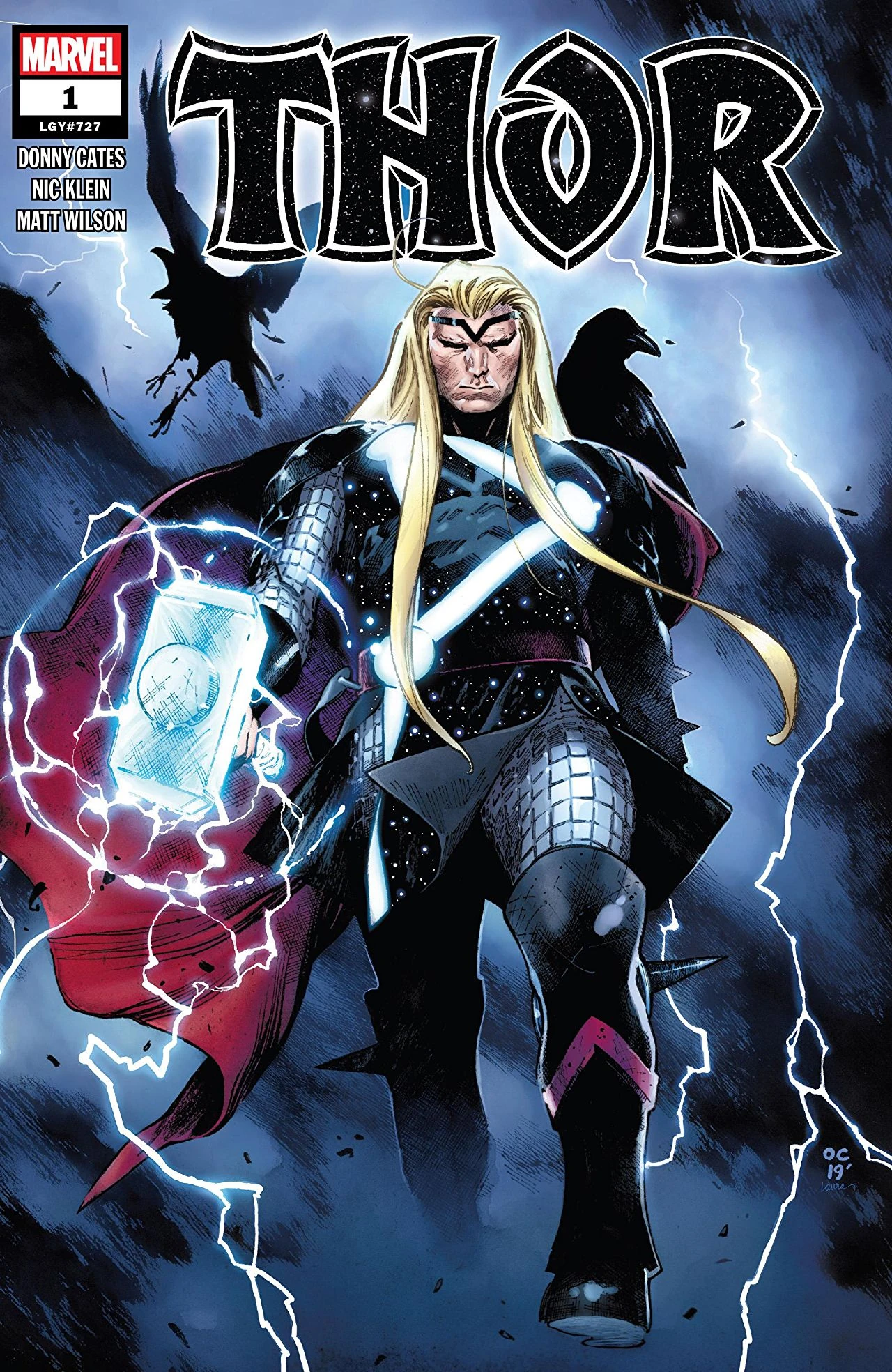
Thor: God of Thunder #1
9.8
$519.00
9.6
—
9.4
—
RAW
$25.00
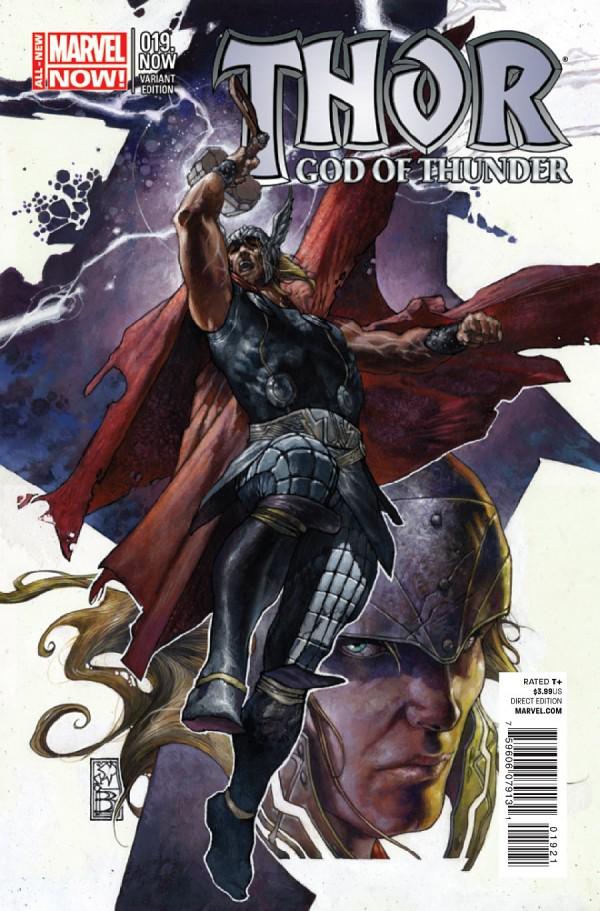
Thor: God of Thunder #19.NOW
9.8
$399.99
9.6
—
9.4
—
RAW
—
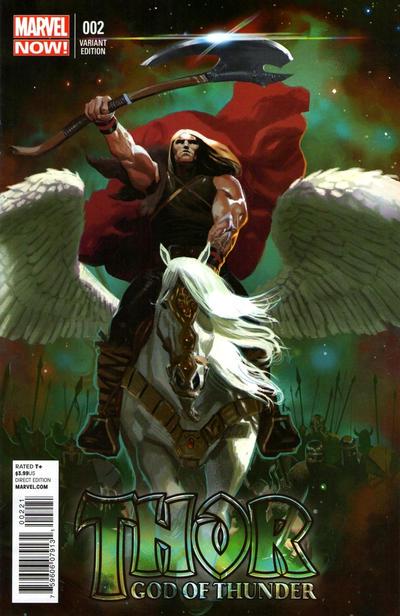
Thor: God of Thunder #2
9.8
$360.00
9.6
—
9.4
—
RAW
$117.99
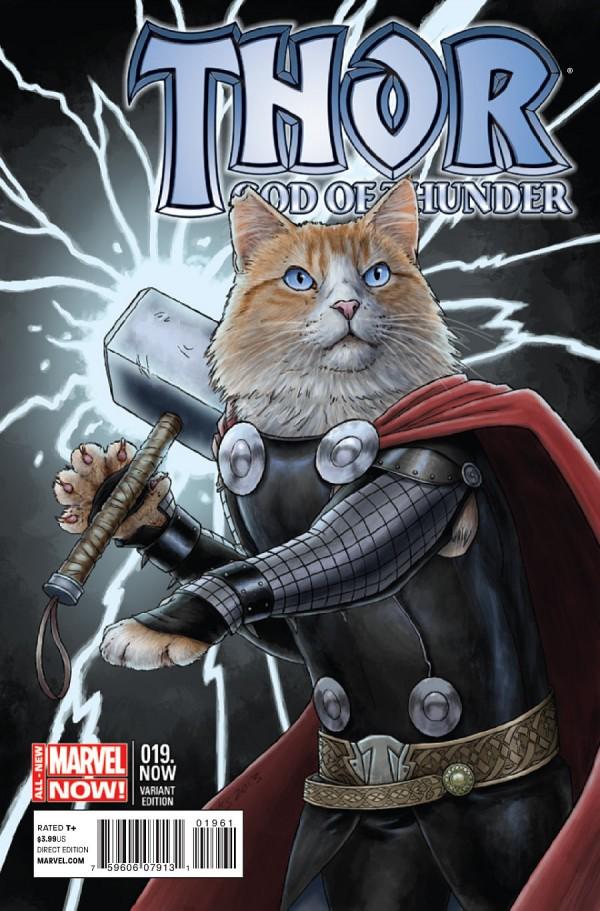
Thor: God of Thunder #19.NOW
9.8
$247.81
9.6
—
9.4
—
RAW
$55.00
3000 years in the past, a young Gorr forages for food with his mother, asking her why she can't just eat their last cave apple. His mother replies that they are leaving it as an offering for their gods, so that they watch over them and keep them safe. Gorr asks why the gods didn't take care of his father when he got sun fever, and his mother replies that Gorr's father lived a long life of almost thirty years, and that they'll see him again in the afterlife. Gorr is dissatisfied with her answer, but she urges him to always honor the gods so that they shower him with blessings like they have her. Their conversation is interrupted as a pack of Sand Tigers attack, Gorr's mother telling him to run as she hefts her spear. Gorr flees, his mother asking the gods to watch over her son; but she is killed by the beasts.
Years later, Gorr urges his pregnant wife, Arra, to eat what little food he was able to find. She tells him that the sky gods will hear their prayers and come soon, but when she calls him a great hunter Gorr laments their tribe's desperate situation — slowly starving while skulking in a cliffside cave. Arra tells her husband that the gods will provide and that he just has to put his life in their hands, but a sudden earthquake strikes and sends her plunging off the cliff to her death.
Several months later, Gorr treks with his tribe through the desert, carrying his last surviving child, Agar, who is dying from starvation. Agar recalls his sisters died of sun fever; Gorr trying to comfort him as he wastes away. After Agar dies, Gorr mournfully buries his son, too dehydrated to cry for him. Rugokk, the tribe's chief, chastises him for not hanging Agar from a tree so that the gods will see him and take him into the afterlife. Rugokk tells Gorr not to damn Agar the way Arra was damned, but Gorr bitterly remarks that they're all damned anyway. Deciding to give up all pretence, Gorr snaps that the tribe moves from one desolate cave to another, leaving a trail of starved and heat-stricken bodies in its wake. Rugokk angrily berates Gorr for his blasphemy, but Gorr says that the gods did nothing to save his mother when she was eaten alive in front of their idol, or his wife when she was buried alive with their unborn child still inside her. In response to Rugokk's horror, Gorr addresses the tribe and proclaims that the reason why the gods do not intervene to save them is because they do not exist; but before he can continue his tirade he is struck in the face by a large stone. Gorr's tribesmen pelt him with stones, decrying him as a blasphemous agent of the black gods and considering eating him alive. Rugokk intervenes and banishes Gorr from the tribe, praying that the gods will have mercy on him.
| Trivia = * Venom Vol 4 4 established Gorr's homeworld as the same planet shown in the Venom symbiote's flashback in Venom: Dark Origin Vol 1 4.
Gorr wanders the desert, praying for the endless abyss of death. Just as he collapses out of exhaustion, an explosion in the sky catches his attention and what appears to be a meteor rips a crater into the ground nearby. Curiosity aroused, Gorr peers into the crater to see a black-armored god wielding a sword and a gold-armored god wielding a spear; each having having impaled the other. As Gorr is struck by the realization that gods do exist after all, the gold-armored god pleads for him to help. Enraged, Gorr lashes out at the god for having the audacity to ask him for help, when his people, his wife, and his mother have suffered and died praying for divine intervention. The dark god's sword transforms into an amorphous mass of living darkness and latches onto Gorr, condensing into a crude, jagged dagger. Full of vengeful rage, Gorr kills the gold-armored god before gazing up at the sky and wondering if there are more gods out there. The living darkness bonded to him transforms into a winged suit of armor, enabling him to fly into space and embark on his career as the God Butcher.
Millennia later. Gorr stands over Volstagg, clad in black armor and whipping him with a cat-o-nine tails manifested from the All-Black symbiote as he narra