COMICBOOKSTOCKEXCHANGE.COM·
UTC LIVE TIMEDEAL RADAR
MARKET CLOCKS
HOME OFFICEHOME OFFICE--:--
NYSENew York--:--
LSELondon--:--
JPX / NIKKEITokyo--:--
DFM / ADXDubai--:--
WORLD / UTC--:--
Petraites
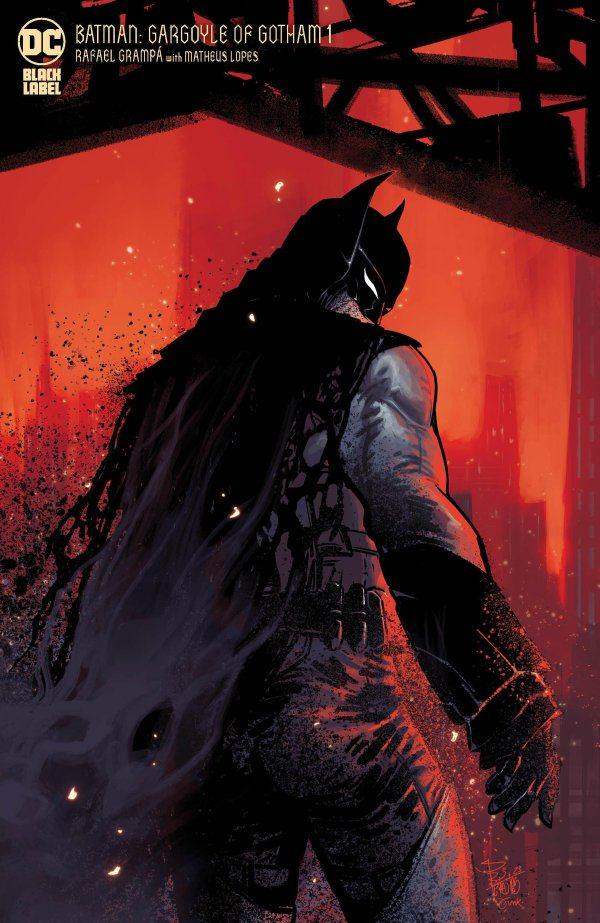
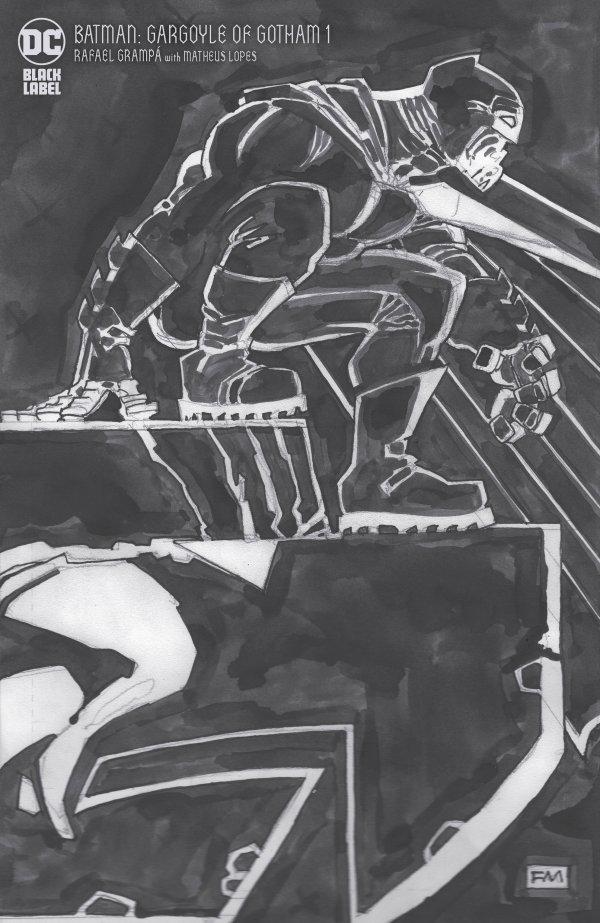
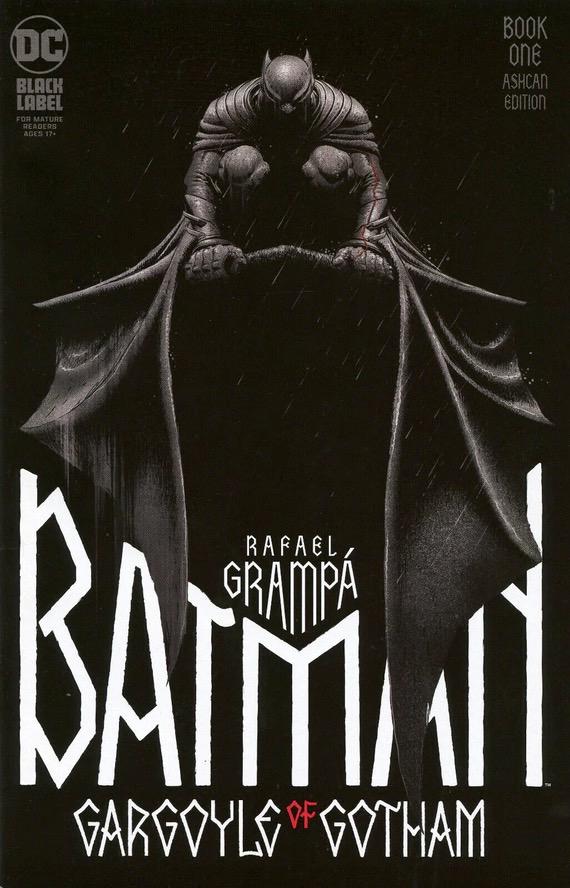
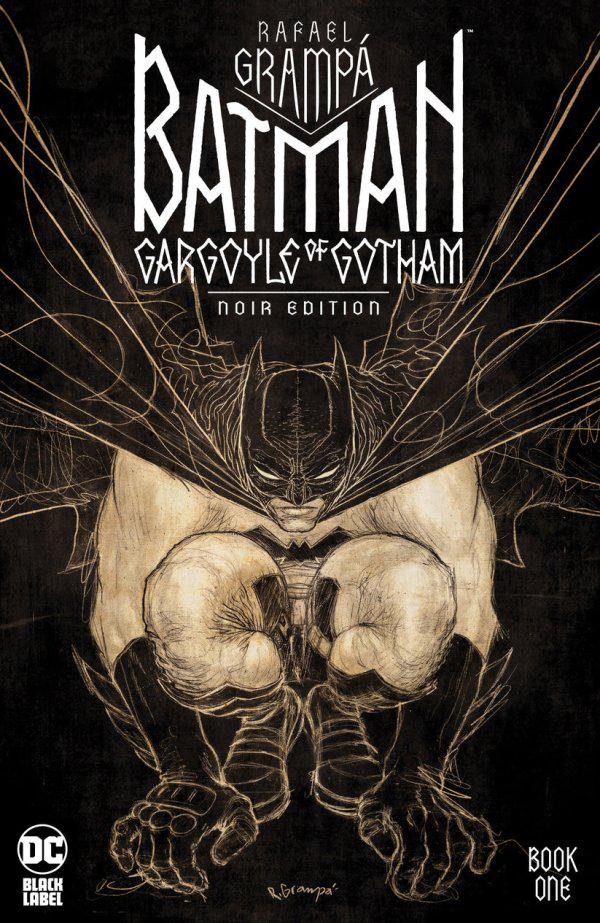
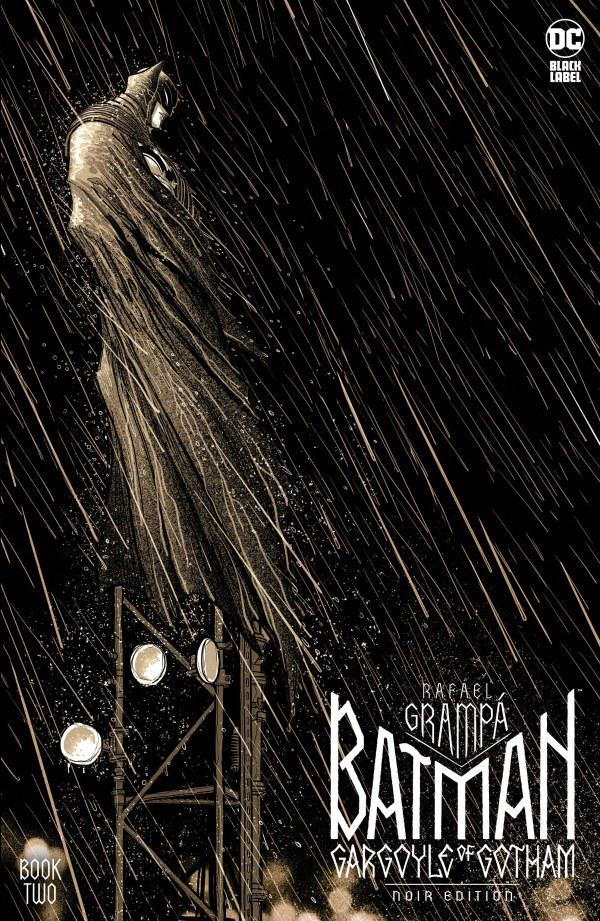
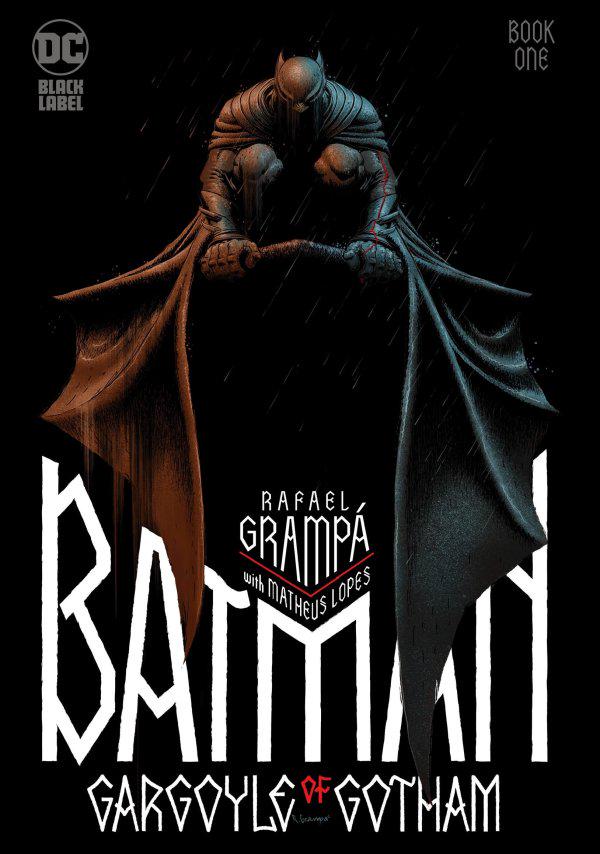
DC·Batman·Gargoyle of Gotham·#1·Postmodern Age·ID-6135864
Empirical cash settlement intelligence, cross-grade elasticity curve, and secondary liquidation velocity.
Empirical step multipliers between adjacent condition tiers. Pinpoints the exponential premium transition and capital efficiency frontier.
Realized turnover cadence and capital absorption depth across certified auction comps.
Autonomous institutional strategies, financial equilibrium, scarcity modeling, and algorithmic risk profiling.
Market operates purely on organic buyer and seller auction discovery. Zero artificial price interventions or emergency liquidity halts on record.
Verified historical transaction line with quarterly equilibrium baseline anchor.
Understand how physical sales, invested dollars, and liquidity friction divide across grades.
Historical price records
Relative market value allocation
Estimated execution friction
Bibliographic provenance, creator credits, historical significance, and multimedia documentation.
Rafael Grampá
Rafael Grampá
Rafael Grampá
Mat Lopes
John Workman
Home of Superman, Batman, Wonder Woman, and the Justice League.
Deconstructionist storytelling. Trade-first publishing. Creator prestige over character IP.
Value driven by creator reputation and adaptation potential rather than print scarcity.
Postmodern era — deconstructionist storytelling and trade paperback culture. Sustained demand comes from adaptations and creator prestige rather than print scarcity.
Inspectable mathematical proof, blockchain/ledger provenance, data integrity validation, and asset taxonomy.
A pricing discrepancy between an auction listing and the prevailing cleared consensus value across organized exchanges, allowing rapid liquidity capture before market equilibrium reconverges.
Batman breaks into the basement of an abandoned building in Gotham's industrial zone. In the building above, criminals force enslaved homeless people to manufacture explosives. Batman lures the guards down to basement and picks them off one by one from the shadows. Terrified, one of the guards runs upstairs to their boss, who is sitting alone in a room watching old film reels, and asks for help; but instead his employer beats him to death with two claw hammers. Batman goes upstairs to find all the kidnapped homeless bludgeoned to death. He follows the trail of bodies to the film room, where he sees an old black-and-white cartoon being projected on the wall. A weeping, blood-spattered man dressed as the character onscreen is waiting and attacks him with a hammer. The man easily beats Batman, seemingly always one move ahead. He pushes Batman off a mezzanine to the floor below, knocking him unconscious. When Batman awakes he hears a bomb ticking, but it explodes before he can do anything. Buried under the rubble, he calls Alfred for help before passing out again. The next morning, Detective Jim Gordon goes to a crime scene where a wealthy restauranteur has been murdered and left in his office above the restaurant. A pattern of puncture wounds on his body and blowfly eggs show that he is the latest victim of a serial killer who has been targeting rich people in Gotham. Gordon has been secretly working with Batman to solve the murders, despite the department officially considering him an outlaw; traces of TNT residue on the previous victim were what lead Batman to the lab he raided the previous night. Meanwhile in the Batcave, Batman has realised that the man he fought cannot be the serial killer he and Gordon are hunting as his methods were wildly different; and has identified the cartoon the man he fought was watching as "Crytoon". He heads out to meet up with Gordon and compare notes, but just before he leaves he tells Alfred that, when the serial killer case is over, he plans to fake Bruce Wayne's death and acts as Batman full-time. At GCPD Headquarters, Batman and Gordon look over pictures of the four victims. Gordon tells him that they were all killed by a single spike through the back of the neck, and the other punctures were inflicted post-mortem. Batman recognises the locations of the wounds as energy points on the human body. He asks if Gordon has found any related cases and Gordon tells him that he found a cold case from thirty years ago where the victim was killed by a similar wound to the back of the neck but none of the other wounds were found. The victim, Dr. Franz Ebner, was a German scientist who came to Gotham to study the energy field of the human body; but went to prison for murdering his assistant and was killed himself shortly after release. Gordon says that he has tracked down Ebner's old cellmate and is going to interview him. He asks Batman how the investigation is going from his end, but Batman has already disappeared. Meanwhile Crytoon has broken into the home of the producer who owns the rights to the original character and taken him hostage. The producer tells him that everything related to the old cartoons is stored in his studio's warehouse. Crytoon sketches a scene from the cartoon of his character splitting someone's head open to get at their brain on the wall, then murders the producer in the same gruesome fashion. Batman sends Alfred to speak to the original creator of Crytoon's widow to see if he can find any leads. Presenting himself as a fan of her husband's work, Alfred asks if he can buy any of her husband's records, but she tells him that the rights to the cartoon and all the archives were bought by the producer, who stored them in Boble Studios Warehouse. She also tells him there was a tragedy at a school related to the cartoon, which is why it was cancelled, and her husband's lawyers hushed the incident up. Gordon meets with Ebner's old cellmate, who tells him that Ebner spent his whole time in prison obsessively writing and had only one visitor; a kid called Charles Quinton. That evening Batman goes to Boble Studios Warehouse in search of clues, but Crytoon is already there and attacks him from behind, hitting him over the head with an anvil. Crytoon examines one of the old reels of the cartoon, when he is interrupted by a terrified security guard. Batman survived being hit with the anvil thanks to his suit, although he is dazed. He comes to and sees Crytoon forcing the security guard into a truck and driving away. He summons his thought-controlled car, "The Blind Machine", and chases after them. Crytoon forces the guard out of the moving truck while they are on a bridge and the man falls off towards the river below. Batman orders the Blind Machine to maintain the chase and dives out. He catches the guard and pulls them both back to safety with the batrope. He continues the chase on foot and, seeing the Blind Machine level with Crytoon's truck, tells it to sideswipe him. To his horror, the Blind Machine launches itself into the air and crashes down on the cab of the truck, nearly killing Crytoon. A civilian gets out of her car to check on Crytoon and he takes her hostage. Batman grabs the abandoned reel from the truck and threatens to burn it unless Crytoon releases her, which he does. Batman grabs Crytoon and demands to know where the explosives he was manufacturing are. Gordon discovers that Charles Quinton grew up to be a psychiatrist at Arkham Asylum's children's wing. He meets with the Asylum director who tells him that Dr. Quinton disappeared years ago with all the files from the children's wing, but after some cajoling he allows Gordon to look at Quinton's patient list. Looking through the records, Gordon discovers that Bruce Wayne was a patient at the Asylum as a child.
Each cover variant, retailer incentive, and subsequent printing represents an independent atomic tradeable instrument with unique supply elasticity, barcode registration, and secondary market demand.
Strict algorithmic segregation separating clean single-issue "Petraites" sales from multi-issue lot bundles, retailer exclusives, and foreign variants.