COMICBOOKSTOCKEXCHANGE.COM·
UTC LIVE TIMEDEAL RADAR
MARKET CLOCKS
HOME OFFICEHOME OFFICE--:--
NYSENew York--:--
LSELondon--:--
JPX / NIKKEITokyo--:--
DFM / ADXDubai--:--
WORLD / UTC--:--
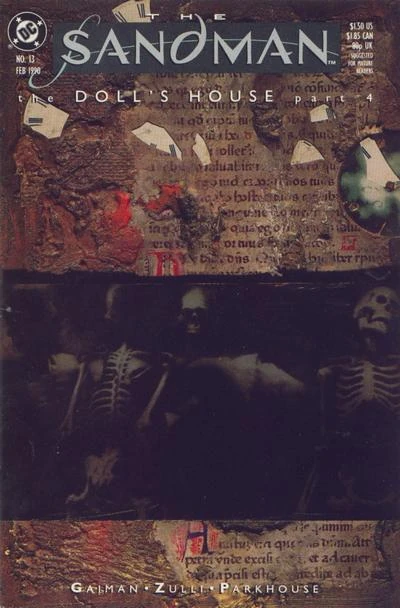
DC·Sandman·#13·Copper Age·ID-2403591
| Grade | Census & Float Distribution | Copies / Slabs | Role | FMV | Sales | Total Value | Multiple |
|---|---|---|---|---|---|---|---|
| 9.8 | 123 of 292 slabs (42.1%) | 123 | SOV | $175.96 | 26 | $21,643 | (27.3x) |
| 9.6 | 67 of 292 slabs (22.9%) | 67 | $194.00 | 15 | $12,998 | (30.1x) | |
| 9.4 | 53 of 292 slabs (18.2%) | 53 | $37.36 | 10 | $1,980 | (5.8x) | |
| 9.2 | 22 of 292 slabs (7.5%) | 22 | $45.50 | 5 | $1,001 | (7.1x) | |
| 9.0 | 11 of 292 slabs (3.8%) | 11 | $7.00 | 1 | $77.00 | (1.1x) | |
| RAW | Raw Uncertified Copies | — | RAW | $6.45 | 23 | — | (1.0x Base) |
Empirical cash settlement intelligence, cross-grade elasticity curve, and secondary liquidation velocity.
Empirical step multipliers between adjacent condition tiers. Pinpoints the exponential premium transition and capital efficiency frontier.
Realized turnover cadence and capital absorption depth across certified auction comps.
Autonomous institutional strategies, financial equilibrium, scarcity modeling, and algorithmic risk profiling.
Market operates purely on organic buyer and seller auction discovery. Zero artificial price interventions or emergency liquidity halts on record.
Verified historical transaction line with quarterly equilibrium baseline anchor.
Understand how physical sales, invested dollars, and liquidity friction divide across grades.
Completed market sales by grade
Relative market value allocation
Estimated execution friction
Bibliographic provenance, creator credits, historical significance, and multimedia documentation.
Neil Gaiman
Michael Zulli
Steve Parkhouse
Robbie Busch
Karen Berger, Art Young
No narrative synopsis recorded in GCD for this sequence.
Home of Superman, Batman, Wonder Woman, and the Justice League.
The direct market matures. Dark Knight Returns, Watchmen redefine the medium. Speculator boom begins.
High print runs mean condition is the key differentiator. 9.8 census numbers matter more than total prints.
Copper Age (1984–1991) — the speculator boom begins. Direct market matures, prestige formats launch. First appearances from this era have become blue chips. High print runs mean condition is the differentiator.
Inspectable mathematical proof, blockchain/ledger provenance, data integrity validation, and asset taxonomy.
A pricing discrepancy between an auction listing and the prevailing cleared consensus value across organized exchanges, allowing rapid liquidity capture before market equilibrium reconverges.
In the year 1389, Dream and his elder sister Death enter a local pub with the hope of getting the former to relate more to humans in their waking lives. In this pub is a man named Robert "Hob" Gadling, who believes that men only die because it's what they expect that they are meant to do. He feels that there is so much more life to lead than just a few decades' worth. Staunchly, he announces that he has no intention of ever dying, and that it is a mug's game. Intrigued, Dream and Death decide to allow Hob to remain alive until the day that he truly desires it. Dream approaches Hob's table, and offers that if cheating death is what he wants, the two of them will meet again in the same place in one hundred years' time. Though his companions think it a joke, Hob takes the offer seriously, and promises to be there. One hundred years later, Hob is surprised that Dream returns, though no less surprised than he is to still be alive. Hob marvels at how much things have changed in just 100 years, with the invention of the chimney and the handkerchief revolutionizing to a small extent the way that people live. The mortal has been working as a soldier, and still has no intention of dying. With that said, Dream responds that they will meet again in another hundred years. The next century, Hob seems to be doing well for himself. His business savvy has earned him a knighthood. After 200 years, Hob has finally taken a wife and fathered a son, and he is excited by the richness of the times. Dream is distracted when he overhears a conversation between a young William Shakespeare and Kit Marlowe discussing the former's prospects as a playwright. Will considers Kit's play Doctor Faustus a work of genius, and claims that like the titular character, he would give up his mortal soul to be able to write plays that live on in memory forever. Intrigued, Dream offers Shakespeare a deal. Hob, meanwhile still intends to go on another century. By 1689, Hob has become a drunkard, and the pub won't allow him to enter. Fortunately, Dream steps in on his behalf. Hob's wife died during childbirth, and his son died twenty years later in a bar fight. Later, he pushed his luck by staying in the same town for too long, and they tried to burn him as a witch. Of course, he survived, but now he is always hungry, with his fortunes lost. He admits that he has hated every second of the last 80 years. Dream wonders, then, if he has finally decided to die. Pausing for a moment, Hob smiles and states that he will go on. 100 years later, Hob has taken up slave-trading, and got back onto his feet. Despite having met several times now, Hobs admits that he knows very little about his visitor, and wonders who he really is. They are interrupted by a woman, Johanna Constantine, who states that she could ask them both the same question. She introduces herself as two thugs put knives to the pair's throats. For years, there have been rumours that the Wandering Jew and the Devil have been meeting at this pub once every hundred years. She planned for two years for the day she would confront them. Both Dream and Hob deny being either of those beings, and Johanna is perplexed. She demands to know what nature of beings they are, but Dream uses some of his sand to incapacitate her, filling her mind with dreams of those whom she wronged in the past. Before he and Hob part ways, Dream recommends that his companion give up the slave trade. On a dark night in 1889, Dream makes for the tavern, but is interrupted by the scream of a prostitute who fears that he may be Jack the Ripper. He promises that he is not, and rebuffs her attempts to make him a client before entering the tavern. Upon reuniting with Hob, Dream reveals that he saw Johanna Constantine again, and recruited her to perform a special task for him. Hob comments that he has noticed others who do not die. He has met Jason Blood on more than one occasion, and Mad Hettie has been on the streets for more than a century. Dream admits that Death is capricious. Hob leans in and suggests that there is more to their meetings every one hundred years than Dream merely being interested to see what happens to humans who do not die. He realizes that he hasn't grown significantly wiser in his five hundred years, and he doubts that he will ever seek death. He believes that Dream knew all of that from the start, and must be there for something else: friendship. Hob believes that Dream has come to him every century because he is lonely. Indignant, Dream storms off, claiming that it is beneath him to take the company of a mortal for loneliness. Hob calls after him that if they meet again in one hundred years, it will be because they are friends. In the year 1989, Hob sits in the bar smoking a cigarette while young people dance to the music and discuss issues like the AIDS epidemic. He looks up to see Dream there, and admits that he wasn't sure that he would come. Dream smiles, and says that it is impolite to keep one's friends waiting.
Each cover variant, retailer incentive, and subsequent printing represents an independent atomic tradeable instrument with unique supply elasticity, barcode registration, and secondary market demand.
Strict algorithmic segregation separating clean single-issue Cover A sales from multi-issue lot bundles, retailer exclusives, and foreign variants.
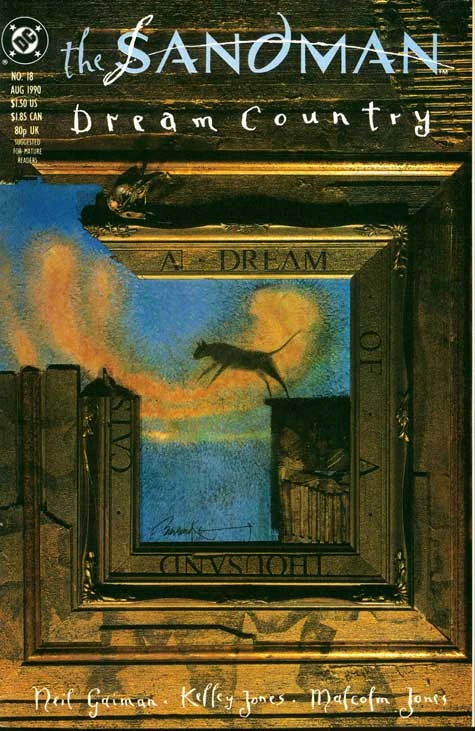
Sandman #18
9.8
$1,699.00
9.6
—
9.4
—
RAW
$9.40
Sandman #18
9.8
$1,083.62
9.6
—
9.4
—
RAW
$112.85
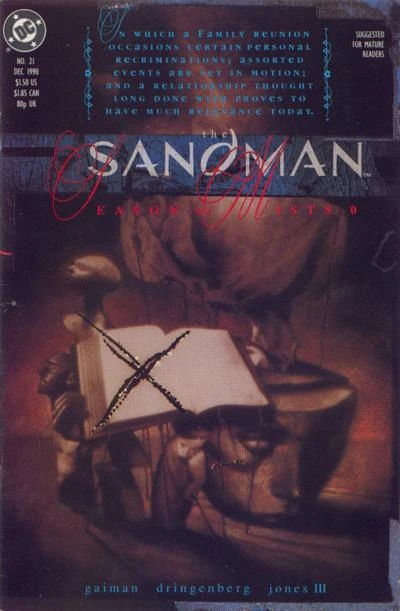
Sandman #21
9.8
$285.00
9.6
—
9.4
—
RAW
$11.74
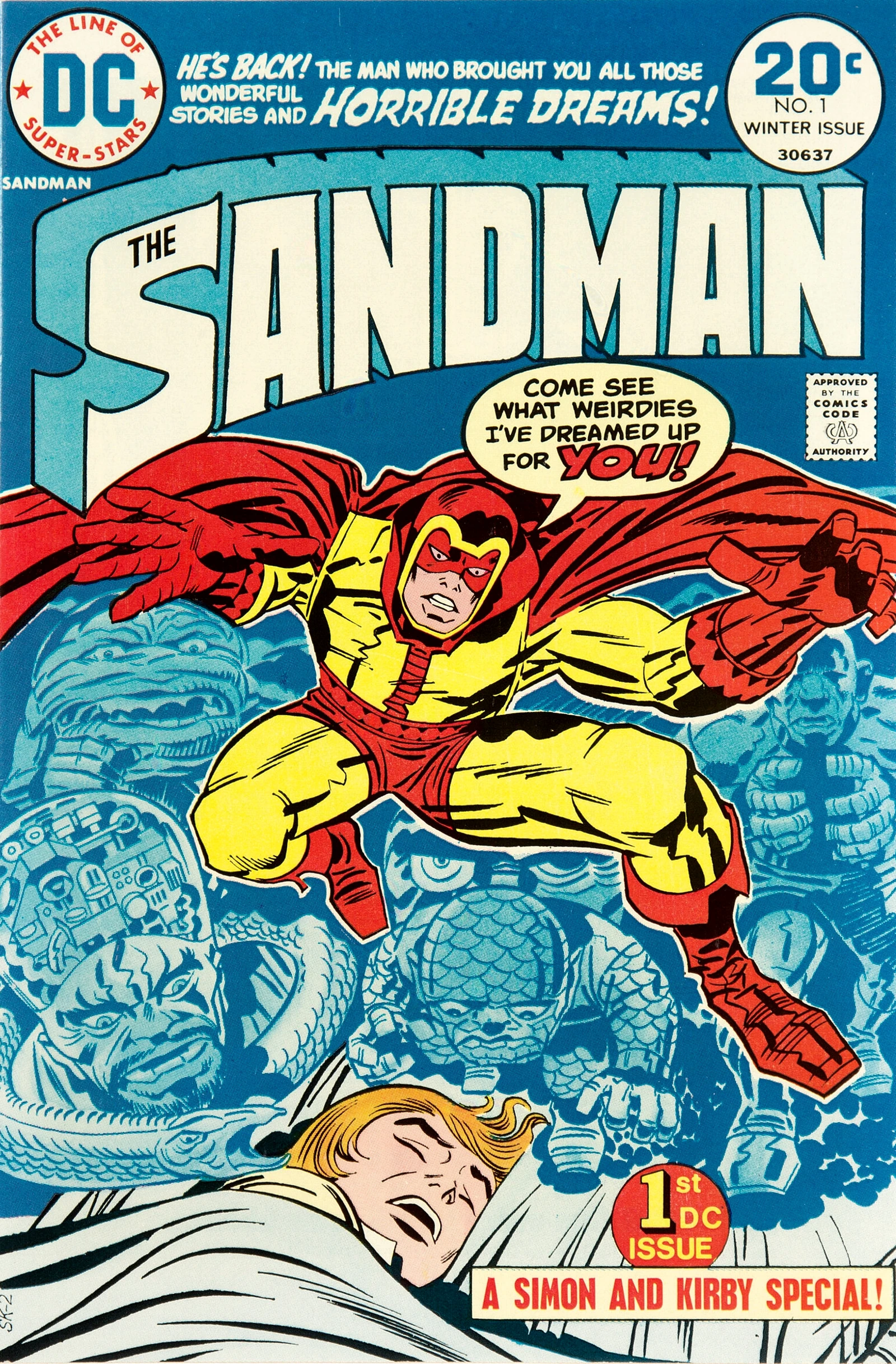
Sandman #1
9.8
$274.63
9.6
—
9.4
—
RAW
$60.92

Sandman #1
9.8
$269.55
9.6
—
9.4
—
RAW
$14.71
“Her kind walk amids the flotsam of lives they have sacrificed, for their own purposes, till friendless and alone they needsmust make the final sacrifice.”
— Dream
In the year 1389, Dream and his elder sister Death enter a local pub with the hope of getting the former to relate more to humans in their waking lives.
In this pub is a man named Robert "Hob" Gadling, who believes that men only die because it's what they expect that they are meant to do. He feels that there is so much more life to lead than just a few decades' worth. Staunchly, he announces that he has no intention of ever dying, and that it is a mug's game. Intrigued, Dream and Death decide to allow Hob to remain alive until the day that he truly desires it. Dream approaches Hob's table, and offers that if cheating death is what he wants, the two of them will meet again in the same place in one hundred years' time. Though his companions think it a joke, Hob takes the offer seriously, and promises to be there.
One hundred years later, Hob is surprised that Dream returns, though no less surprised than he is to still be alive. Hob marvels at how much things have changed in just 100 years, with the invention of the chimney and the handkerchief revolutionizing to a small extent the way that people live. The mortal has been working as a soldier, and still has no intention of dying. With that said, Dream responds that they will meet again in another hundred years.<br/> The next century, Hob seems to be doing well for himself. His business savvy has earned him a knighthood. After 200 years, Hob has finally taken a wife and fathered a son, and he is excited by the richness of the times. Dream is distracted when he overhears a conversation between a young William Shakespeare and Kit Marlowe discussing the former's prospects as a playwright. Will considers Kit's play a work of genius, and claims that like the titular character, he would give up his mortal soul to be able to write plays that live on in memory forever. Intrigued, Dream offers Shakespeare a deal. Hob, meanwhile still intends to go on another century.
By 1689, Hob has become a drunkard, and the pub won't allow him to enter. Fortunately, Dream steps in on his behalf. Hob's wife died during childbirth, and his son died twenty years later in a bar fight. Later, he pushed his luck by staying in the same town for too long, and they tried to burn him as a witch. Of course, he survived, but now he is always hungry, with his fortunes lost. He admits that he has hated every second of the last 80 years. Dream wonders, then, if he has finally decided to die. Pausing for a moment, Hob smiles and states that he will go on.
100 years later, Hob has taken up slave-trading, and got back onto his feet. Despite having met several times now, Hobs admits that he knows very little about his visitor, and wonders who he really is. They are interrupted by a woman, Johanna Constantine, who states that she could ask them both the same question. She introduces herself as two thugs put knives to the pair's throats. For years, there have been rumours that the Wandering Jew and the Devil have been meeting at this pub once every hundred years. She planned for two years for the day she would confront them. Both Dream and Hob deny being either of those beings, and Johanna is perplexed. She demands to know what nature of beings they are, but Dream uses some of his sand to incapacitate her, filling her mind with dreams of those whom she wronged in the past. Before he and Hob part ways, Dream recommends that his companion give up the slave trade.
On a dark night in 1889, Dream makes for the tavern, but is interrupted by the scream of a prostitute who fears that he may be Jack the Ripper. He promises that he is not, and rebuffs her attempts to make him a client before entering the tavern. Upon reuniting with Hob, Dream reveals that he saw Johanna Constantine again, and recruited her to perform a special task for him. Hob comments that he has noticed others who do not die. He has met Jason Blood on more than one occasion, and Mad Hettie has been on the streets for more than a century. Dream admits that Death is capricious.
Hob leans in and suggests that there is more to their meetings every one hundred years than Dream merely being interested to see what happens to humans who do not die. He realizes that he hasn't grown significantly wiser in his five hundred years, and he doubts that he will ever seek death. He believes that Dream knew all of that from the start, and must be there for something else: friendship. Hob believes that Dream has come to him every century because he is lonely. Indignant, Dream storms off, claiming that it is beneath him to take the company of a mortal for loneliness. Hob calls after him that if they meet again in one hundred years, it will be because they are friends.
In the year 1989, Hob sits in the bar smoking a cigarette while young people dance to the music and discuss issues like the AIDS epidemic. He looks up to see Dream there, and admits that he wasn't sure that he would come. Dream smiles, and says that it is impolite to keep one's friends waiting.