
COMICBOOKSTOCKEXCHANGE.COM·
UTC LIVE TIMEDEAL RADAR
MARKET CLOCKS
HOME OFFICEHOME OFFICE--:--
NYSENew York--:--
LSELondon--:--
JPX / NIKKEITokyo--:--
DFM / ADXDubai--:--
WORLD / UTC--:--
Independent·Wrath of the Spectre·#4·Copper Age·ID-5604645
Autonomous institutional strategies, financial equilibrium, scarcity modeling, and algorithmic risk profiling.
Market operates purely on organic buyer and seller auction discovery. Zero artificial price interventions or emergency liquidity halts on record.
Understand how physical sales, invested dollars, and liquidity friction divide across grades.
Historical price records
Relative market value allocation
Estimated execution friction
Bibliographic provenance, creator credits, historical significance, and multimedia documentation.
Michael Fleisher
Jim Aparo
Mike DeCarlo
Adrienne Roy
Robert Greenberger, Joe Orlando
Publisher profile coming soon
The direct market matures. Dark Knight Returns, Watchmen redefine the medium. Speculator boom begins.
High print runs mean condition is the key differentiator. 9.8 census numbers matter more than total prints.
Copper Age (1984–1991) — the speculator boom begins. Direct market matures, prestige formats launch. First appearances from this era have become blue chips. High print runs mean condition is the differentiator.
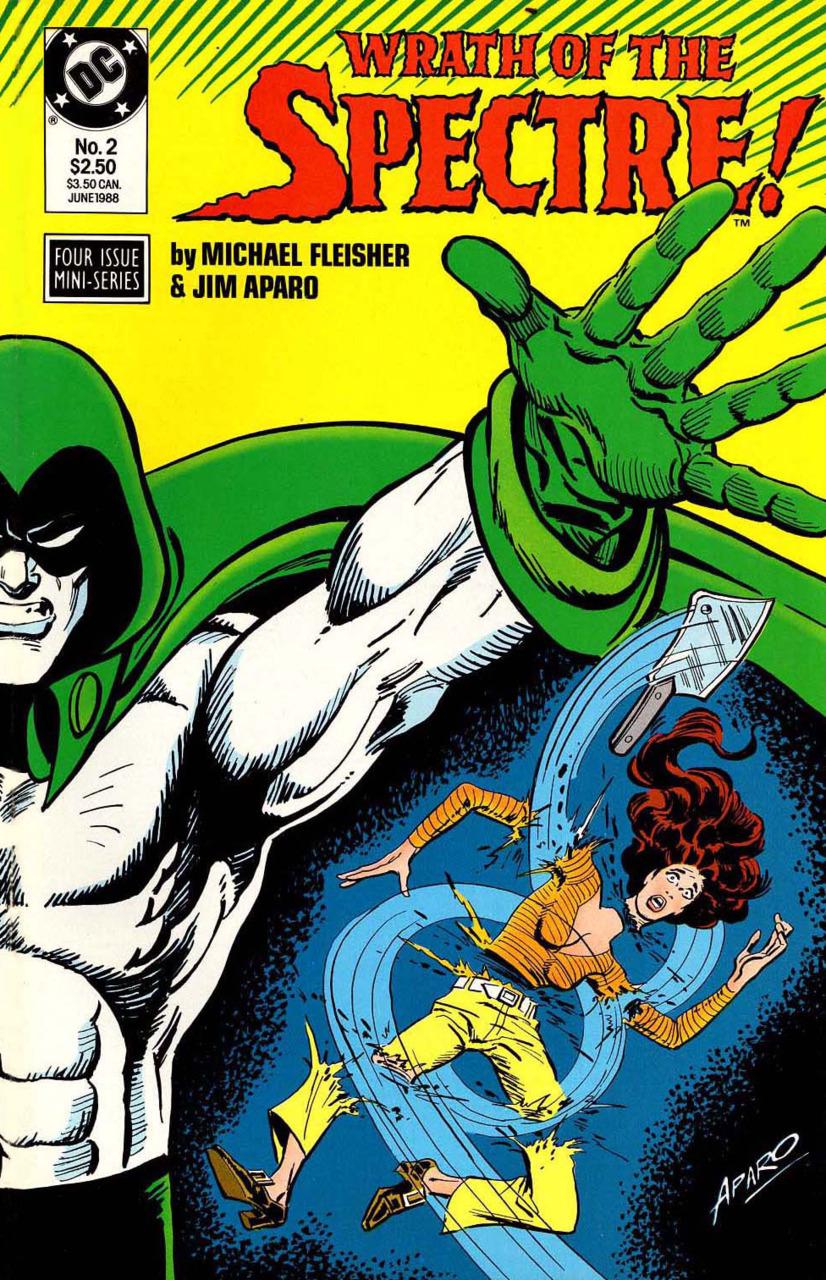
Wrath of the Spectre #2
9.8
$148.59
9.6
—
9.4
—
RAW
$7.94
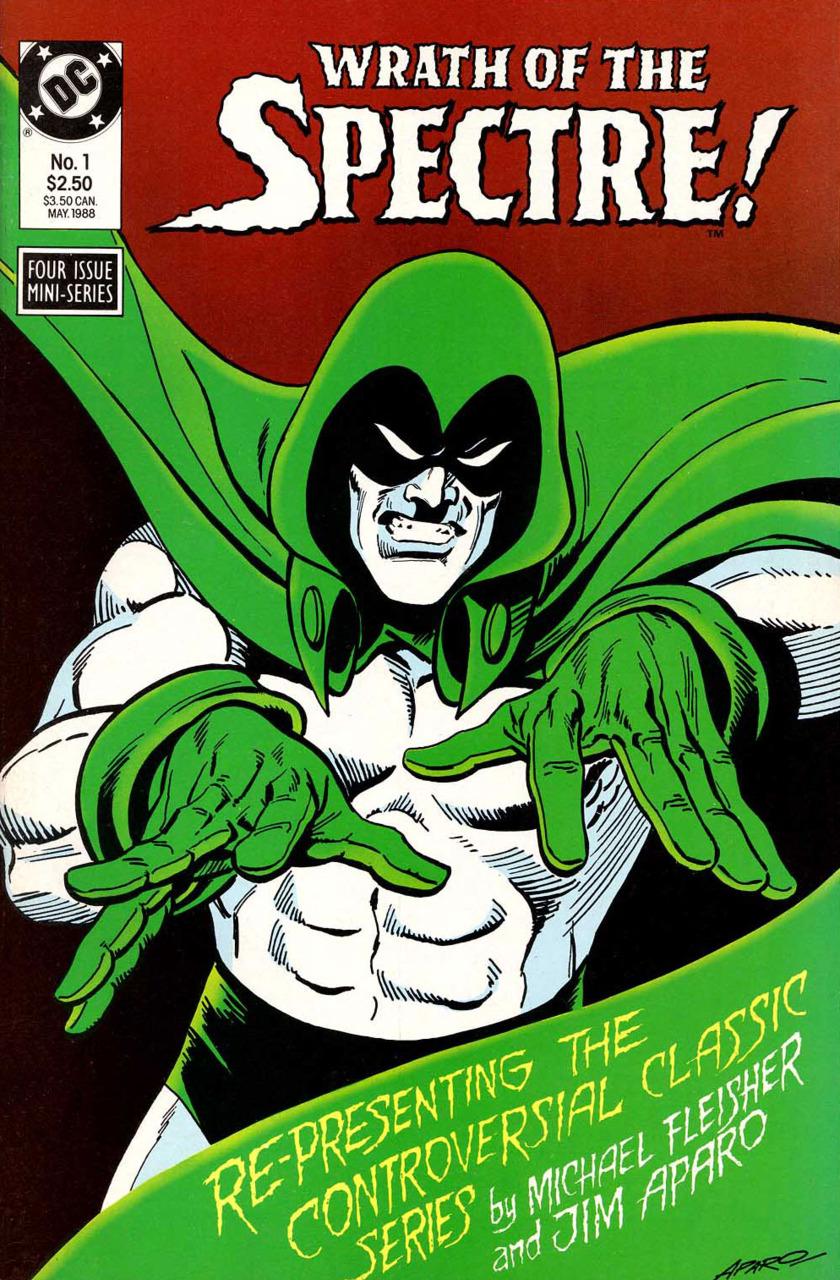
Wrath of the Spectre #1
9.8
$140.29
9.6
—
9.4
—
RAW
$7.65
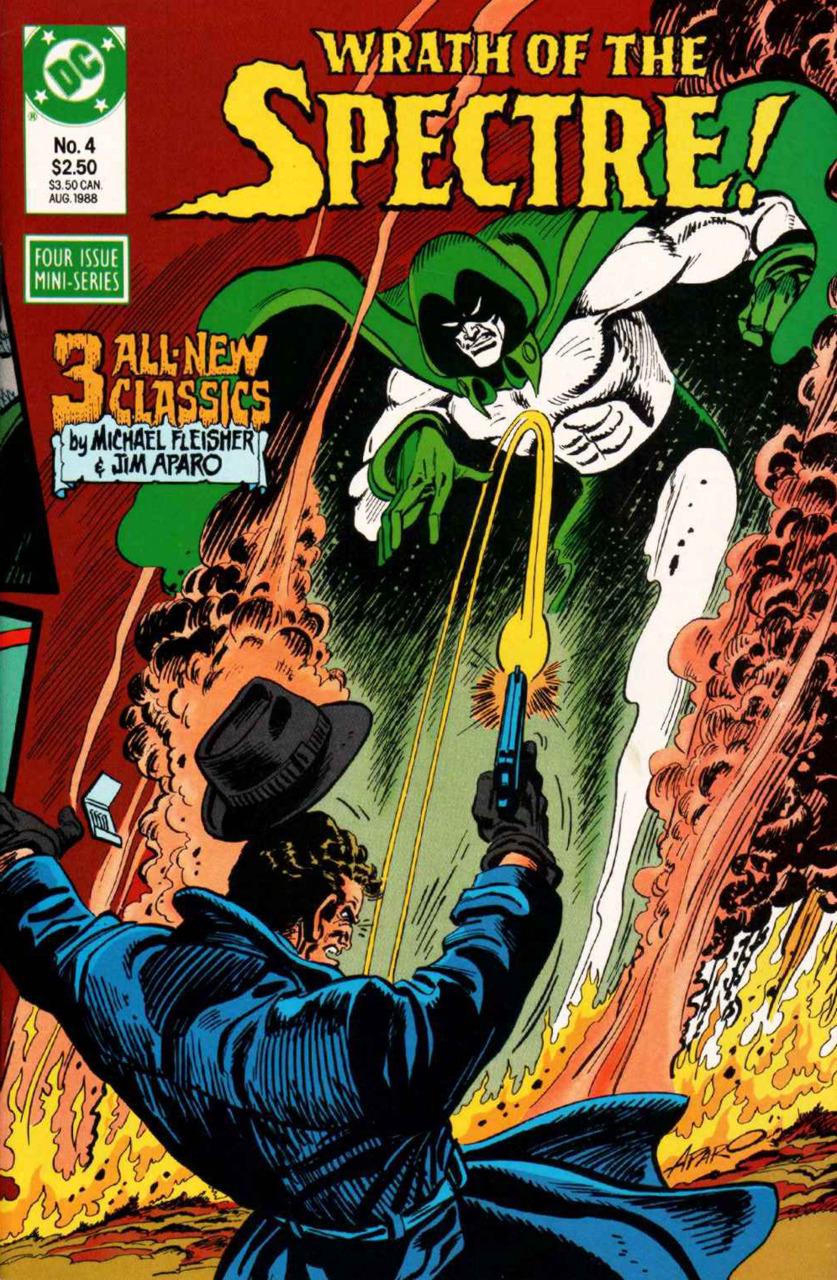
Wrath of the Spectre #4
9.8
$135.77
9.6
—
9.4
—
RAW
$7.53
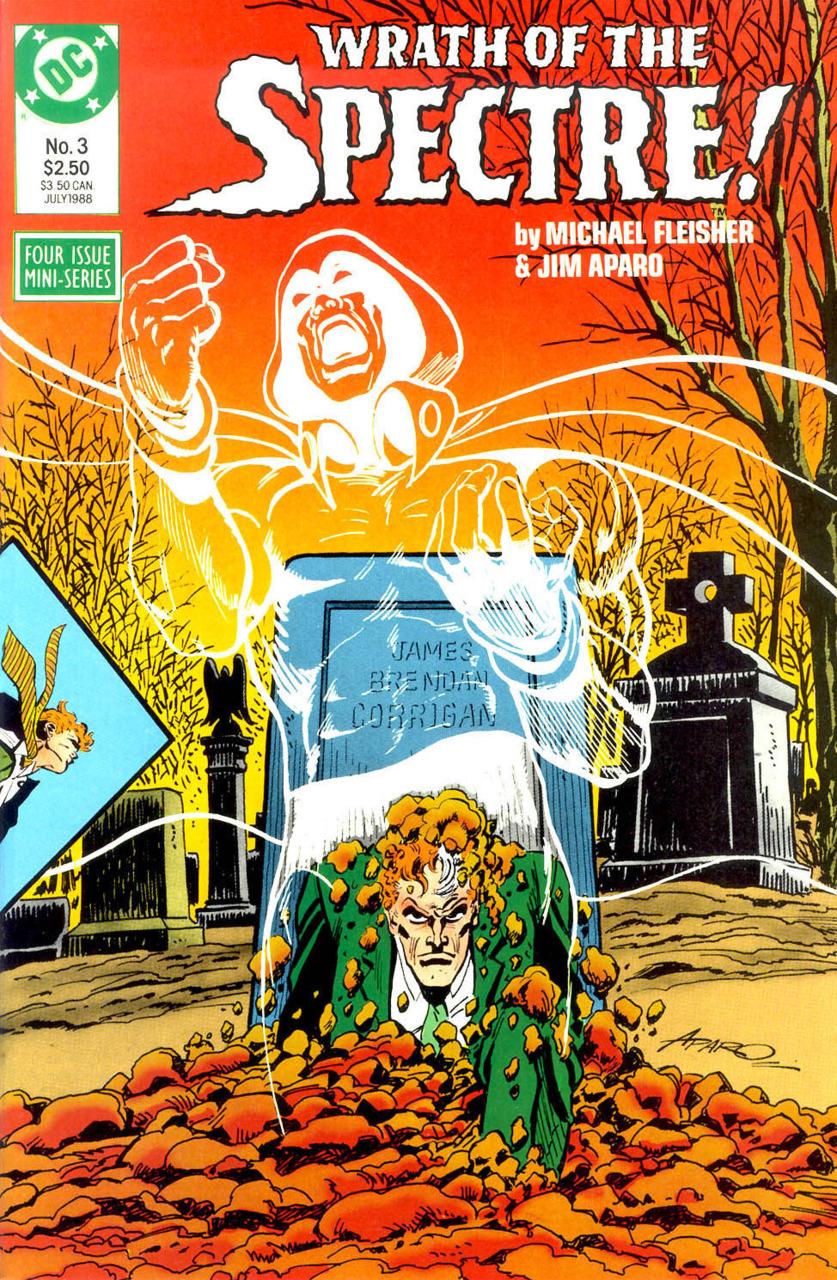
Wrath of the Spectre #3
9.8
$104.97
9.6
—
9.4
—
RAW
$5.49
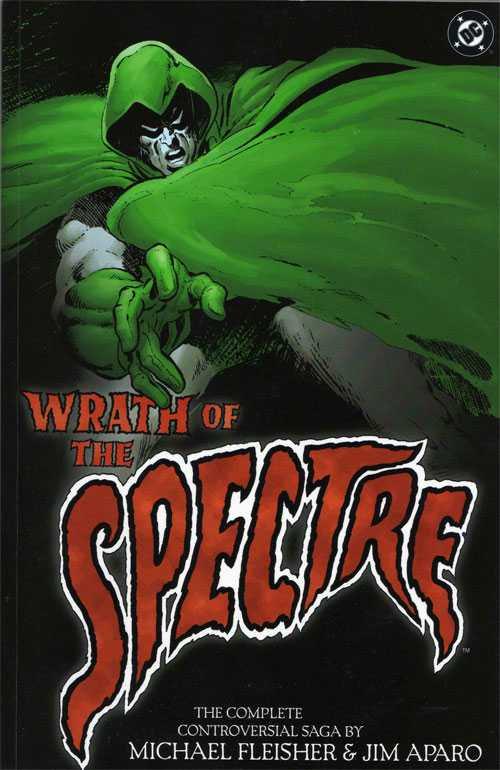
Wrath of the Spectre #null
9.8
$99.80
9.6
—
9.4
—
RAW
$22.09
Inspectable mathematical proof, blockchain/ledger provenance, data integrity validation, and asset taxonomy.
A pricing discrepancy between an auction listing and the prevailing cleared consensus value across organized exchanges, allowing rapid liquidity capture before market equilibrium reconverges.
A number of buildings have been set on fire by an unknown arsonist and both Detective Jim Corrigan and reporter Earl Crawford investigate the case. When another building is set on fire, Corrigan saves some innocents from the fire by transforming into The Spectre and Crawford's theory about a ghost in town is reassured. Crawford continues his investigations until he learns that the possible arsonist is one Freddy "The Torch" Fisher, an arsonist working for slumlord Harrison DeMarko. Meanwhile, The Spectre learns the same information by interrogating one of the souls of the victims that died in the most recent fire. At that moment, Fisher is about to burn another building when he is spotted by Crawford. The reporter proceeds to take out his camera in order to capture the moment of the crime, but when Fisher lights the matches, The Spectre comes out of the fire and confronts the arsonist. Fisher draws his gun and shoots at The Spectre, who uses his cape to cover himself and the bullets ricochet back into Fisher's body. The arsonist is killed and The Spectre vanishes, but the whole event was captured in photos by Earl Crawford, who leaves them to be revealed at the editorial office of the newspaper as evidence of his ghost theory. Once the pictures are developed, Crawford's editor assumes that the reporter forged the images in order to validate his theory and murdered a criminal in the process. The New York City Police Department arrive soon at Crawford's place and he is arrested before the trial, where all the evidence seems to point to him as the killer of Fisher. However, Crawford tells the jury the truth of the events and he is found not guilty by reason of insanity. After the veredict, Crawford is taken to a mental hospital for the criminally insane.
Each cover variant, retailer incentive, and subsequent printing represents an independent atomic tradeable instrument with unique supply elasticity, barcode registration, and secondary market demand.
Strict algorithmic segregation separating clean single-issue Cover A sales from multi-issue lot bundles, retailer exclusives, and foreign variants.
Information on how these old scripts were finished for this issue.
Following leads in a story involving tenement fires, reporter Earl Crawford not only spots the Spectre at work, but photographs him in the act of dealing with an arsonist. However, Earl's editor doesn't believe in spooks, and phones the Police to have his star reporter arrested for the murder!
Having been found innocent, by reason of insanity, for the murder of an arsonist, reporter Crawford escapes from the institution he has been sentenced to with the help of Gwen. Lt. Corrigan then assists in the clearing of Crawford of all charges when he impersonates the dead arsonist at the Police station and is able to deal with the true villain in the tenement fires case.
A board meeting of Sterling Textiles, Incorporated is halted by a weird hag with a voodoo doll, who kills a board member whose image is found on that doll, and warns the other board members that the company should cease manufacturing the peek-a-boo dresses it is known for or else. While the Spectre is trying to track her down, reporter Earl Crawford, upon hearing about the death of Henderson to voodoo, decides following that story may finally bring him face-to-face with the Spectre.
Little Gary has a magic power to turn himself into a monster. His parents fix the problem.
“It is I, putrid fiend...! Here to wreak the vengeful wrath of... The Spectre...”
A number of buildings have been set on fire by an unknown arsonist and both Detective Jim Corrigan and reporter Earl Crawford investigate the case. When another building is set on fire, Corrigan saves some innocents from the fire by transforming into The Spectre and Crawford's theory about a ghost in town is reassured.
Crawford continues his investigations until he learns that the possible arsonist is one Freddy "The Torch" Fisher, an arsonist working for slumlord Harrison DeMarko. Meanwhile, The Spectre learns the same information by interrogating one of the souls of the victims that died in the most recent fire. At that moment, Fisher is about to burn another building when he is spotted by Crawford. The reporter proceeds to take out his camera in order to capture the moment of the crime, but when Fisher lights the matches, The Spectre comes out of the fire and confronts the arsonist. Fisher draws his gun and shoots at The Spectre, who uses his cape to cover himself and the bullets ricochet back into Fisher's body. The arsonist is killed and The Spectre vanishes, but the whole event was captured in photos by Earl Crawford, who leaves them to be revealed at the editorial office of the newspaper as evidence of his ghost theory.
Once the pictures are developed, Crawford's editor assumes that the reporter forged the images in order to validate his theory and murdered a criminal in the process. The New York City Police Department arrive soon at Crawford's place and he is arrested before the trial, where all the evidence seems to point to him as the killer of Fisher. However, Crawford tells the jury the truth of the events and he is found not guilty by reason of insanity. After the veredict, Crawford is taken to a mental hospital for the criminally insane.
This is the final issue of the miniseries. This is the only issue of this reprint miniseries that contains unpublished material. The Spectre stories that were published in this issue were written for the original series in Adventure Comics Vol 1, but due to the sudden change in the series' format, these stories remained unpublished until this miniseries. In an interview with Michael Fleisher in The Comics Journal, it is flatly stated that he wrote "two [Spectre scripts] that were never drawn". This issue, however, contains three* "unpublished" stories. The third story not only has a different letterer and a different inker from the other two (and two separate people having deadline trouble is highly unlikely under the alleged circumstances) but also a title that does not match those of the other 12 stories, which are done to a strict formula, specifically "[Something] and.../of... The Spectre". This issue is reprinted in Wrath of the Spectre (Collected).