COMICBOOKSTOCKEXCHANGE.COM·
UTC LIVE TIMEDEAL RADAR
MARKET CLOCKS
HOME OFFICEHOME OFFICE--:--
NYSENew York--:--
LSELondon--:--
JPX / NIKKEITokyo--:--
DFM / ADXDubai--:--
WORLD / UTC--:--
Facsimile
DC·Detective Comics·#140·Postmodern Age·ID-5878946
Underlying: CGC 9.8 (Liquid Center) · Spot $39.99 · Model IV 26.6% · Open Contracts: 0
| Calls (Right to Buy 1 Copy) | Strike | Puts (Right to Sell 1 Copy) | ||||||||
|---|---|---|---|---|---|---|---|---|---|---|
| OCC Contract | Premium | Intr / Time | IV · Δ | Θ/d · ν | Strike $ | OCC Contract | Premium | Intr / Time | IV · Δ | Θ/d · ν |
| DC140-261218C32 | $8.06 | $7.99 + $0.07 | 30.3% · 1.00 | -0.00 · 0.00 | $32.00 | DC140-261218P32 | $0.00 | $0.00 + $0.00 | 30.3% · -0.00 | -0.00 · 0.00 |
| DC140-261218C36 | $4.14 | $3.99 + $0.15 | 27.9% · 0.94 | -0.01 · 0.01 | $36.00 | DC140-261218P36 | $0.07 | $0.00 + $0.07 | 27.9% · -0.06 | -0.01 · 0.01 |
| DC140-261218C38 | $2.40 | $1.99 + $0.41 | 27.1% · 0.79 | -0.02 · 0.03 | $38.00 | DC140-261218P38 | $0.33 | $0.00 + $0.33 | 27.1% · -0.21 | -0.02 · 0.03 |
| DC140-261218C40 | $1.10 | $0.00 + $1.10 | 26.6% · 0.52 | -0.02 · 0.04 | $40.00ATM | DC140-261218P40 | $1.02 | $0.01 + $1.01 | 26.6% · -0.48 | -0.02 · 0.04 |
| DC140-261218C42 | $0.38 | $0.00 + $0.38 | 26.2% · 0.25 | -0.02 · 0.03 | $42.00 | DC140-261218P42 | $2.29 | $2.01 + $0.28 | 26.2% · -0.75 | -0.01 · 0.03 |
| DC140-261218C44 | $0.09 | $0.00 + $0.09 | 26.0% · 0.08 | -0.01 · 0.02 | $44.00 | DC140-261218P44 | $4.01 | $4.01 + $0.00 | 26.0% · -0.92 | -0.00 · 0.02 |
| DC140-261218C48 | $0.00 | $0.00 + $0.00 | 25.9% · 0.00 | -0.00 · 0.00 | $48.00 | DC140-261218P48 | $8.01 | $8.01 + $0.00 | 25.9% · -1.00 | 0.00 · 0.00 |
Empirical cash settlement intelligence, cross-grade elasticity curve, and secondary liquidation velocity.
Empirical step multipliers between adjacent condition tiers. Pinpoints the exponential premium transition and capital efficiency frontier.
Realized turnover cadence and capital absorption depth across certified auction comps.
Autonomous institutional strategies, financial equilibrium, scarcity modeling, and algorithmic risk profiling.
Market operates purely on organic buyer and seller auction discovery. Zero artificial price interventions or emergency liquidity halts on record.
Verified historical transaction line with quarterly equilibrium baseline anchor.
Understand how physical sales, invested dollars, and liquidity friction divide across grades.
Historical price records
Relative market value allocation
Estimated execution friction
Bibliographic provenance, creator credits, historical significance, and multimedia documentation.
Bill Finger
Dick Sprang
Charles Paris
Jack Schiff
Home of Superman, Batman, Wonder Woman, and the Justice League.
Deconstructionist storytelling. Trade-first publishing. Creator prestige over character IP.
Value driven by creator reputation and adaptation potential rather than print scarcity.


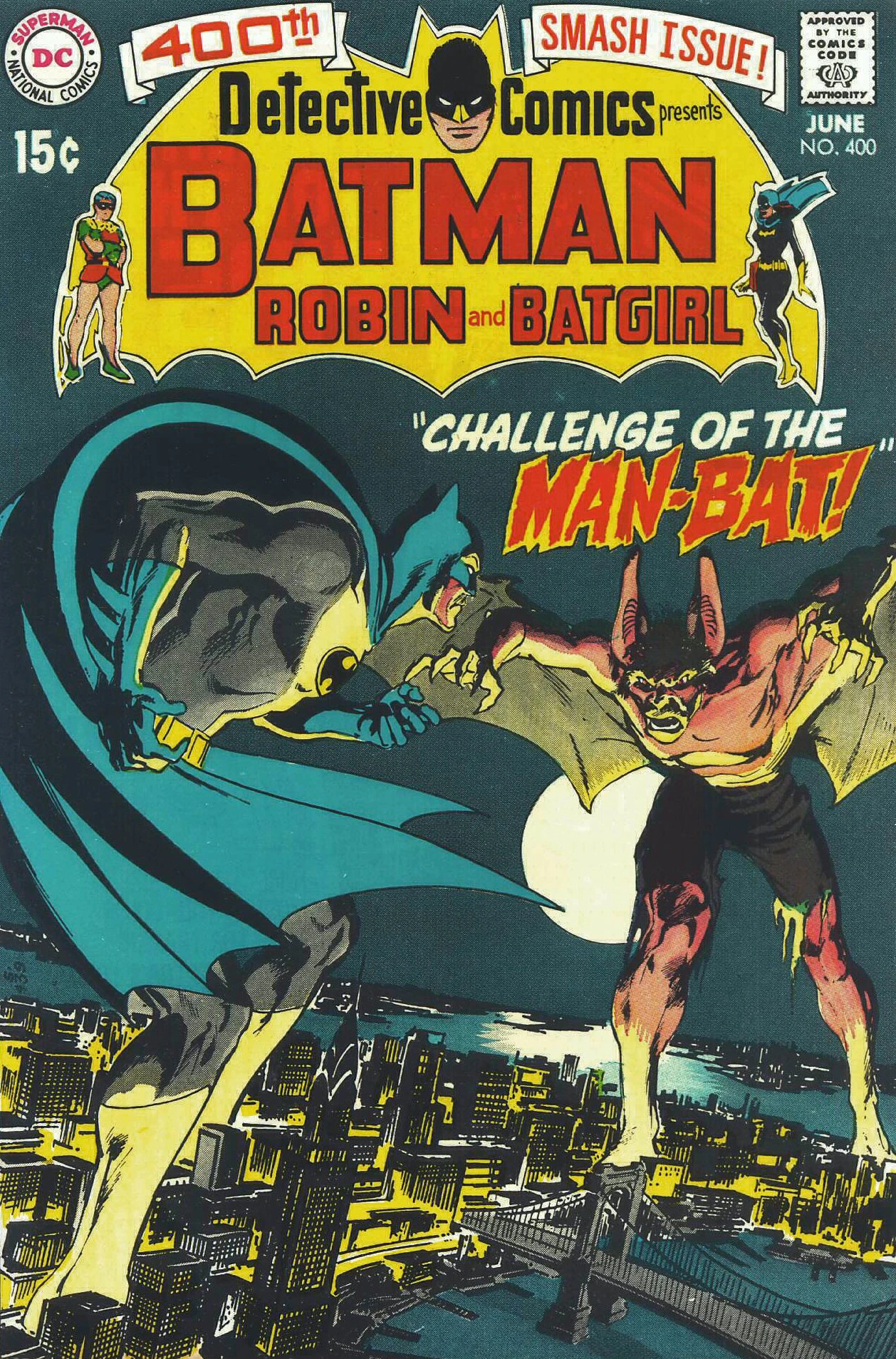
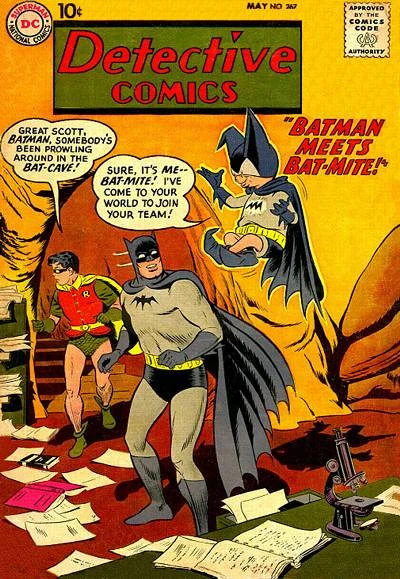
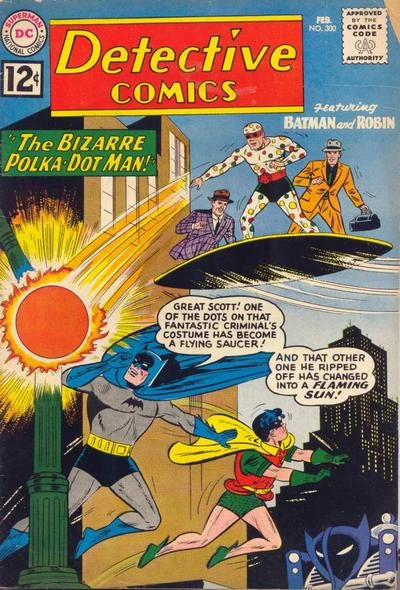


Postmodern era — deconstructionist storytelling and trade paperback culture. Sustained demand comes from adaptations and creator prestige rather than print scarcity.
Inspectable mathematical proof, blockchain/ledger provenance, data integrity validation, and asset taxonomy.
The recovery of third-party encapsulation and grading expenditures when an asset is acquired at a discount below the physical cost of replacement grading fees, shipping, and insurance.
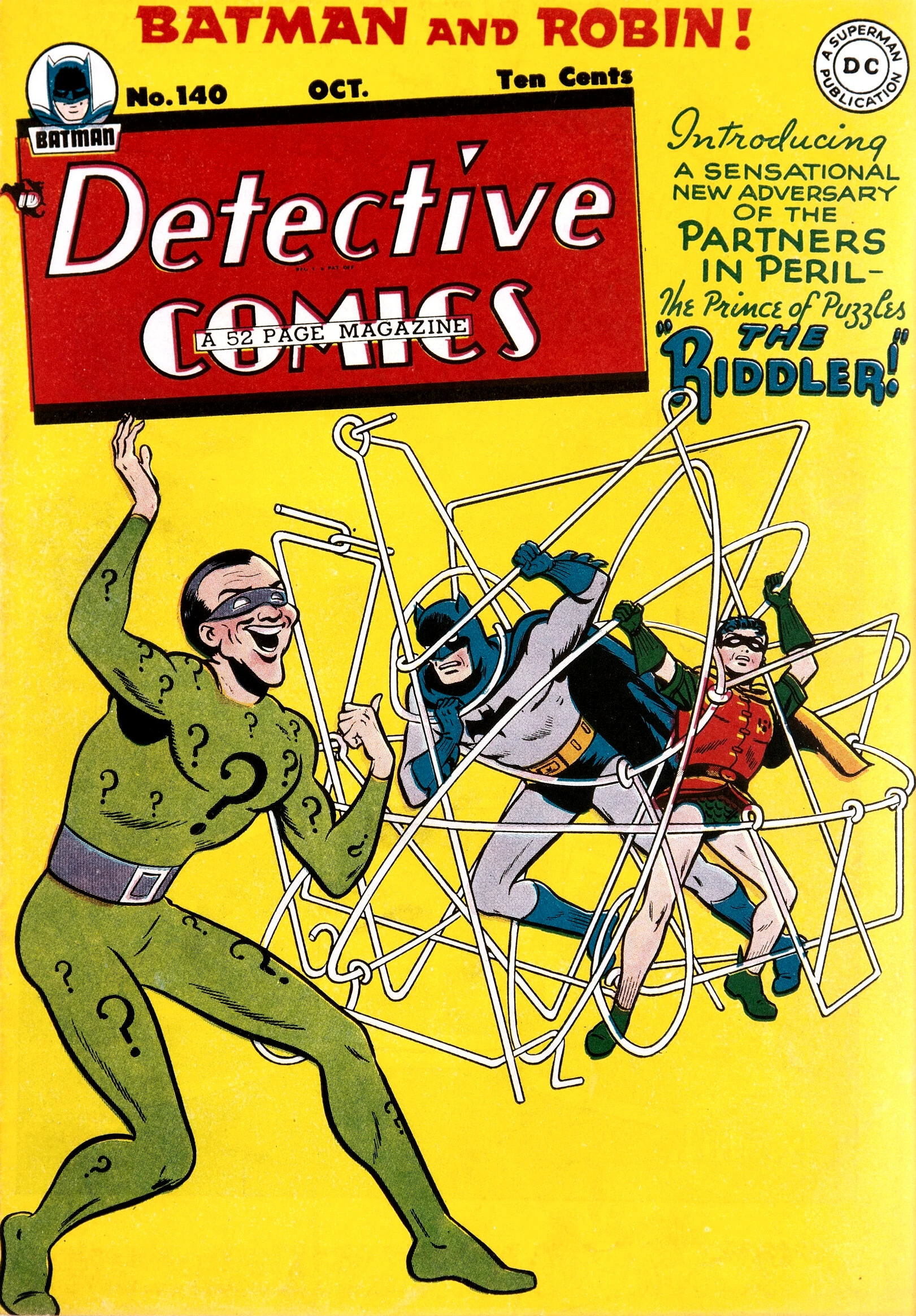
Edward Nigma, who would later become the Riddler, began his criminal career as a boy in school. His history teacher announced a jigsaw puzzle contest, and he broke into her desk so he could cheat and win. This is when he developed his love of puzzles. Nigma became known as a puzzle expert in school, but he would always cheat to appear smarter. Eventually he became a carnival huckster, swindling people who payed to challenge him. He realized that he was clever enough to baffle the police, and decided he could match wits with Batman. Every crime he designed would be a puzzle, fixed so that he would always win. He needed a costume and a name. He chose to become the Riddler, because he would be a "riddle" to Batman. In his public debut, he took over a giant electric crossword puzzle that was used as a promotional device. The crossword puzzle was changed to become a clue for Batman and Robin. They mistakenly took "Basin Street Banquet" to mean the Mayor's charity dinner, but this was a misdirection. The Riddler had completely flooded a bank next door, making the "bank wet." Batman and Robin were unable to pursue without scuba gear. The Riddler's next crime involved sending a giant jigsaw puzzle to police headquarters. The puzzle pieces required several trucks to move. Batman oversaw the puzzle's completion by directing police officers at a local football stadium. This puzzle claimed that the Riddler would rob the "Eagle's Nest." Batman and Robin followed this clue to a nightclub called The Eyrie, but this was another misdirection. Batman tracked the Riddler to his real crime, robbing a millionaire named Harrison Eagle. The Riddler placed Harrison Eagle inside a metal puzzle that would slowly kill him unless Batman solved it. Batman was able to save Eagle, but the Riddler dropped a smoke bomb and escaped. The Riddler stole a giant statue of corn to leave his next riddle, "Why is corn hard to escape from?" This is placed on a runaway truck, and Batman is barely able to stop the truck killing anybody. Batman and Robin track the Riddler to the Pleasure Pier amusement park, where there is a fun maze. They follow the Riddler into the maze, where he rigs it to explode and traps them inside. Batman is able to get out of the shatter-proof glass by heating the building's metal frame until it expands. The heroes are able to escape the death-trap. The Riddler is trapped on the pier when it explodes, and he is knocked into the water. There is no trace of his body except a floating question mark that came off his costume. Robin assumes that the Riddler drowned, but Batman believes he might have survived.
Strict algorithmic segregation separating clean single-issue "Facsimile" sales from multi-issue lot bundles, retailer exclusives, and foreign variants.
Detective Comics #140
9.6
$456,000.00
9.6
$456,000.00
9.4
—
RAW
$3,550.00
Detective Comics #225
9.4
$138,000.00
9.6
—
9.4
$138,000.00
RAW
$1,260.41
Detective Comics #233
9.2
$50,400.00
9.6
—
9.4
—
RAW
$482.50
Detective Comics #359
9.8
$27,495.52
9.6
$18,243.00
9.4
$8,990.00
RAW
$267.50
Detective Comics #400
9.8
$19,520.00
9.6
$2,757.01
9.4
$2,095.75
RAW
$161.30
Edward Nigma, who would later become the Riddler, began his criminal career as a boy in school. His history teacher announced a jigsaw puzzle contest, and he broke into her desk so he could cheat and win. This is when he developed his love of puzzles. Nigma became known as a puzzle expert in school, but he would always cheat to appear smarter. Eventually he became a carnival huckster, swindling people who payed to challenge him. He realized that he was clever enough to baffle the police, and decided he could match wits with Batman. Every crime he designed would be a puzzle, fixed so that he would always win. He needed a costume and a name. He chose to become the **Riddler**, because he would be a "riddle" to Batman.
In his public debut, he took over a giant electric crossword puzzle that was used as a promotional device. The crossword puzzle was changed to become a clue for Batman and Robin. They mistakenly took "Basin Street Banquet" to mean the Mayor's charity dinner, but this was a misdirection. The Riddler had completely flooded a bank next door, making the "bank wet." Batman and Robin were unable to pursue without scuba gear.
thumb|left|190px|Edward Nigma The Riddler's next crime involved sending a giant jigsaw puzzle to police headquarters. The puzzle pieces required several trucks to move. Batman oversaw the puzzle's completion by directing police officers at a local football stadium. This puzzle claimed that the Riddler would rob the "Eagle's Nest." Batman and Robin followed this clue to a nightclub called The Eyrie, but this was another misdirection. Batman tracked the Riddler to his real crime, robbing a millionaire named Harrison Eagle. The Riddler placed Harrison Eagle inside a metal puzzle that would slowly kill him unless Batman solved it. Batman was able to save Eagle, but the Riddler dropped a smoke bomb and escaped.
The entire issue was reprinted in Facsimile Edition: Detective Comics Vol 1 140. "The Riddler" was also reprinted in: Batman: From the 30's to the 70's (Collected) Batman: Featuring Two-Face and the Riddler (Collected) Batman Archives Vol 7 (Collected) Batman '66: The TV Stories (Collected) Detective Comics: 80 Years of Batman: The Deluxe Edition (Collected) Batman Arkham: The Riddler (Collected) The events depicted in "The Riddler" occurred in both Earth-Two and Earth-One realities. Detective Comics Annual Vol 1 8 serves as a modernized retelling of "The Riddler", directly adapting elements such as Nygma's childhood puzzle-"solving" and the Basin Street robbery.
The Riddler stole a giant statue of corn to leave his next riddle, "Why is corn hard to escape from?" This is placed on a runaway truck, and Batman is barely able to stop the truck killing anybody. Batman and Robin track the Riddler to the Pleasure Pier amusement park, where there is a fun maze. They follow the Riddler into the maze, where he rigs it to explode and traps them inside. Batman is able to get out of the shatter-proof glass by heating the building's metal frame until it expands. The heroes are able to escape the death-trap. The Riddler is trapped on the pier when it explodes, and he is knocked into the water. There is no trace of his body except a floating question mark that came off his costume. Robin assumes that the Riddler drowned, but Batman believes he might have survived.