COMICBOOKSTOCKEXCHANGE.COM·
UTC LIVE TIMEDEAL RADAR
MARKET CLOCKS
HOME OFFICEHOME OFFICE--:--
NYSENew York--:--
LSELondon--:--
JPX / NIKKEITokyo--:--
DFM / ADXDubai--:--
WORLD / UTC--:--
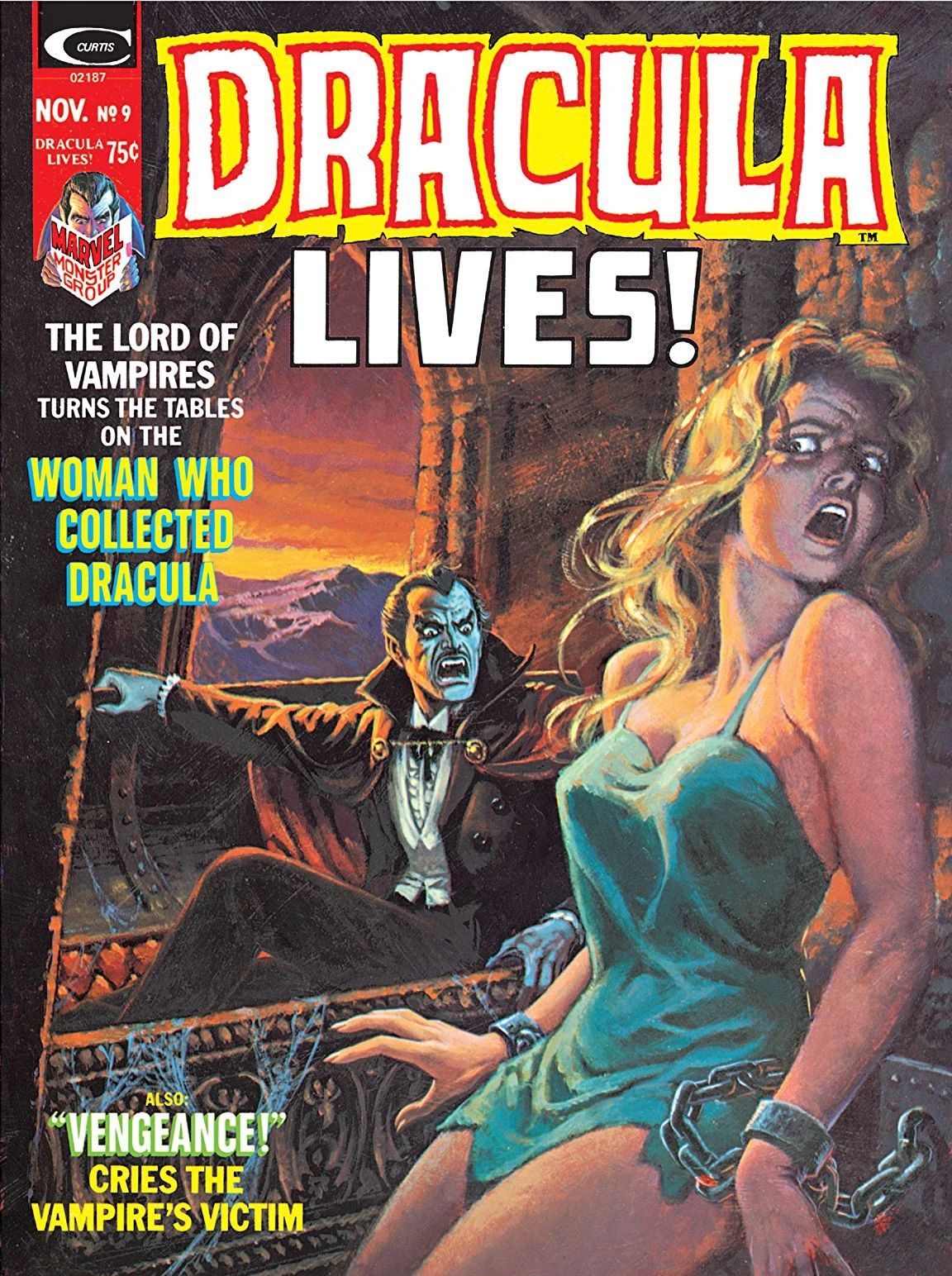
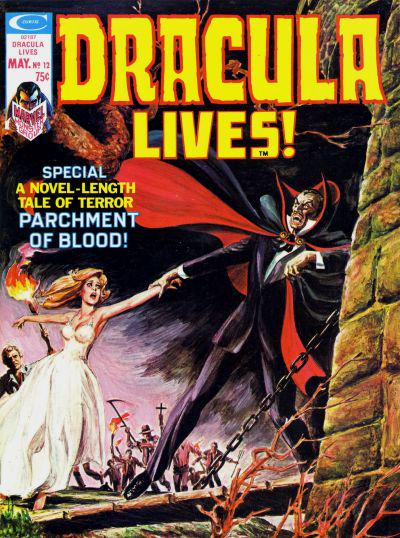
Independent·Dracula Lives·#12·Bronze Age·ID-2526135
 Variant #807414ACTIVE
Empirical cash settlement intelligence, cross-grade elasticity curve, and secondary liquidation velocity.
Empirical step multipliers between adjacent condition tiers. Pinpoints the exponential premium transition and capital efficiency frontier.
Realized turnover cadence and capital absorption depth across certified auction comps.
Autonomous institutional strategies, financial equilibrium, scarcity modeling, and algorithmic risk profiling.
Market operates purely on organic buyer and seller auction discovery. Zero artificial price interventions or emergency liquidity halts on record.
Verified historical transaction line with quarterly equilibrium baseline anchor.
Understand how physical sales, invested dollars, and liquidity friction divide across grades.
Completed market sales by grade
Relative market value allocation
Estimated execution friction
Bibliographic provenance, creator credits, historical significance, and multimedia documentation.
? (story page 1)
? (illustration)
? (illustration)
Black and White
? (story page 1)
Marv Wolfman
Publisher profile coming soon
Comics grow darker and more socially aware. Wolverine, Punisher, Swamp Thing debut. Creator-driven storytelling emerges.
Newsstand variants carry meaningful scarcity premiums. First appearances from this era are blue-chip investments.
Bronze Age (1970–1984) — comics grew darker and more socially aware. The era of classic runs, creator-driven storytelling, and the birth of serious collecting culture. Newsstand variants carry a meaningful scarcity premium.
Inspectable mathematical proof, blockchain/ledger provenance, data integrity validation, and asset taxonomy.
In illiquid alternative asset markets, sovereign blue-chip holdings trade at an exponential multiple over mid-grade float due to institutional accumulation and inelastic seller reservation prices.
1597: Dracula writes in his diary, and has come to the decision that he will no longer play the part of the warrior prince or the defender of the people of Transylvania, deciding to forever embrace his vampiric urges and become a terror of the night, acting alone and needing nobody. Finishing his entry, he flies off in bat form to find another fresh victim to feed upon. As Dracula stalks the streets that night, a group of men cower in a nearby tavern, wondering what they can do to stop Dracula. A man named Durenyi tells them that they must take a course of action, and find a way to destroy Dracula so that they no longer have to live in fear. Getting the bar patrons' attention, they inquire what he means. Durenyi has theorized that Dracula must have some kind of weakness, and that perhaps the vampire lord has may have left these secrets written somewhere inside his castle. He tells all gathered that he is willing to break into Dracula's castle, and steal whatever he can find... for a price. They all agree and pay Durenyi his fee and he goes off to break into the castle. After Dracula feeds, he returns to his home, where ironically, he continues his diary and notes down some of his weaknesses -- particularly his aversion to religious symbols and the sun. Finishing his entry for the night, Dracula is about to retire to his coffin before the sun comes up. Having spied on Dracula, Durenyi sneaks into Dracula's study through a window and steals his diary. However, before he can escape he accidentally knocks over a vase, alerting Dracula to his presence. Dracula tracks Durenyi down and attacks, slashing Durenyi's face. Durenyi flees. When Dracula has Durenyi cornered in a dead end corridor, the thief pulls aside the blinds revealing the sun. To further compound the pain on Dracula, the cross shaped window frame causes Dracula additional agony. Having been tipped off to at least two of Dracula's weaknesses, Durenyi smashes the glass in the window and escapes into the daylight. Furious, Dracula vows to get revenge against Durenyi. Continued in part 2....
Each cover variant, retailer incentive, and subsequent printing represents an independent atomic tradeable instrument with unique supply elasticity, barcode registration, and secondary market demand.
Strict algorithmic segregation separating clean single-issue Cover A sales from multi-issue lot bundles, retailer exclusives, and foreign variants.