COMICBOOKSTOCKEXCHANGE.COM·
UTC LIVE TIMEDEAL RADAR
MARKET CLOCKS
HOME OFFICEHOME OFFICE--:--
NYSENew York--:--
LSELondon--:--
JPX / NIKKEITokyo--:--
DFM / ADXDubai--:--
WORLD / UTC--:--
DC·Superman Red and Blue·#1·Postmodern Age·ID-3646915
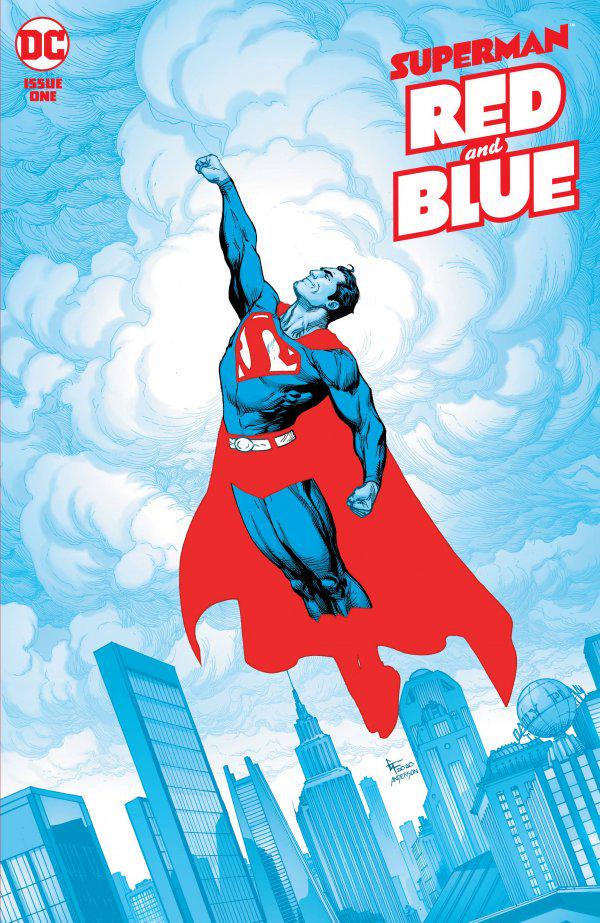 Gary FrankACTIVE
| Grade | Census & Float Distribution | Copies / Slabs | Role | FMV | Sales | Total Value | Multiple |
|---|---|---|---|---|---|---|---|
| 9.8 | 19 of 24 slabs (79.2%) | 19 | SOV | $79.99 | 1 | $1,520 | (14.3x) |
| 9.6 | 5 of 24 slabs (20.8%) | 5 | $88.00 | 1 | $440.00 | (15.7x) | |
| 9.4 | 0 slabs | 0 | — | — | — | — | |
| 9.2 | 0 slabs | 0 | $16.91 | 2 | — | (3.0x) | |
| 9.0 | 0 slabs | 0 | $2.00 | — | — | (0.4x) | |
| RAW | Raw Uncertified Copies | 18,410 | RAW | $5.60 | 17 | $103,096 | (1.0x Base) |
Empirical cash settlement intelligence, cross-grade elasticity curve, and secondary liquidation velocity.
Empirical step multipliers between adjacent condition tiers. Pinpoints the exponential premium transition and capital efficiency frontier.
Realized turnover cadence and capital absorption depth across certified auction comps.
Autonomous institutional strategies, financial equilibrium, scarcity modeling, and algorithmic risk profiling.
Market operates purely on organic buyer and seller auction discovery. Zero artificial price interventions or emergency liquidity halts on record.
Understand how physical sales, invested dollars, and liquidity friction divide across grades.
Completed market sales by grade
Relative market value allocation
Estimated execution friction
Bibliographic provenance, creator credits, historical significance, and multimedia documentation.
John Ridley
Clayton Henry
Clayton Henry
Jordie Bellaire
Jamie S. Rich, Brittany Holzherr, Diego Lopez, Bixie Mathieu
Home of Superman, Batman, Wonder Woman, and the Justice League.
Deconstructionist storytelling. Trade-first publishing. Creator prestige over character IP.
Value driven by creator reputation and adaptation potential rather than print scarcity.
Postmodern era — deconstructionist storytelling and trade paperback culture. Sustained demand comes from adaptations and creator prestige rather than print scarcity.
Inspectable mathematical proof, blockchain/ledger provenance, data integrity validation, and asset taxonomy.
The recovery of third-party encapsulation and grading expenditures when an asset is acquired at a discount below the physical cost of replacement grading fees, shipping, and insurance.
Clark feels nervous and his palms are sweating. He hadn't felt this nervous since the time he moved an entire planet, and now, he is travelling to Lubania, a former Soviet nation that had now become a modern financial powerhouse. Clark's official assignment is to do an interview on one of Lubania's wealthiest entrepreneurs, but on a personal level, this journey serves as therapy to Clark. He asks for a taxi and travels to the Kelebnic Reducation Facility, also known as the "Prison with no Name." As he walks through the place, Clark remembers the last time he was in Lubania. Superman had travelled to Lubania to address an emergency. Back then, he felt invincible and that nothing could hurt him, not the forces of nature or the laws of nations, but his time in Lubania was a huge wake-up call for him. The Soviet regime had found a way to synthesize Kryptonite radiation, not enough to kill Superman, but strong enough to take away his powers. Superman was captured, taken to the camp and thrown in with enemies of the regime. For eight months, Superman was beaten and tortured by Nikolai Koslov and his treatment was used by the regime as propaganda to prove the weakness of the West. Eventually, with Batman's help, Superman escaped the camp, but he's never felt free of it or of Koslov. Clark returns to the taxi and, as he moves towards his interview, he thinks about the torture he endured. He privately admits that Koslov made him feel humilliated in a way Lex or Brainiac had never been able to do, and now, he's returning to Lubania to face Koslov yet again. After the fall of the Iron Curtain, Koslov spent time in his own camp until a truth and reconcilliation commission considered him punished enough for his crimes. Koslov then used his connections to build a business empire and now, he's one of the wealthiest men in Lubania. During the interview, Koslov opined on everything from the scalability of global economics to the capitalization of cheap human labor in rising human nations. Eventually, Clark asked him if he felt regret about all the pain and sorrow he had caused. Clark hoped that Koslov was either genuinely remorseful, which would give Clark hope that Koslov was still a decent man, or that he wasn't remorseful at all, giving Clark the excuse to take revenge on all the suffering he endured at Koslov's hands. In the end, Koslov was neither reformed nor remorseless. He simply said that many people made mistakes during the Cold War, but in the end, the West won and it was time for everybody to move on. Clark thinks that it's easy for Koslov to talk about "moving on" because Koslov was the victimizer, not the victim. With the interview over, Koslov parts ways with Clark, who thinks that he could use the information he gathered to write a high-profile exposé on how Koslov was exploiting workers around the world, building wealth on their backs, but then, he watches the squad of police cars rushing past him. Clark understands that Koslov thrived in the past because few people cared enough to stop him. Clark reveals his Superman uniform and tells himself that, no matter the consequences, he will always care.
Each cover variant, retailer incentive, and subsequent printing represents an independent atomic tradeable instrument with unique supply elasticity, barcode registration, and secondary market demand.
Strict algorithmic segregation separating clean single-issue Cover A sales from multi-issue lot bundles, retailer exclusives, and foreign variants.
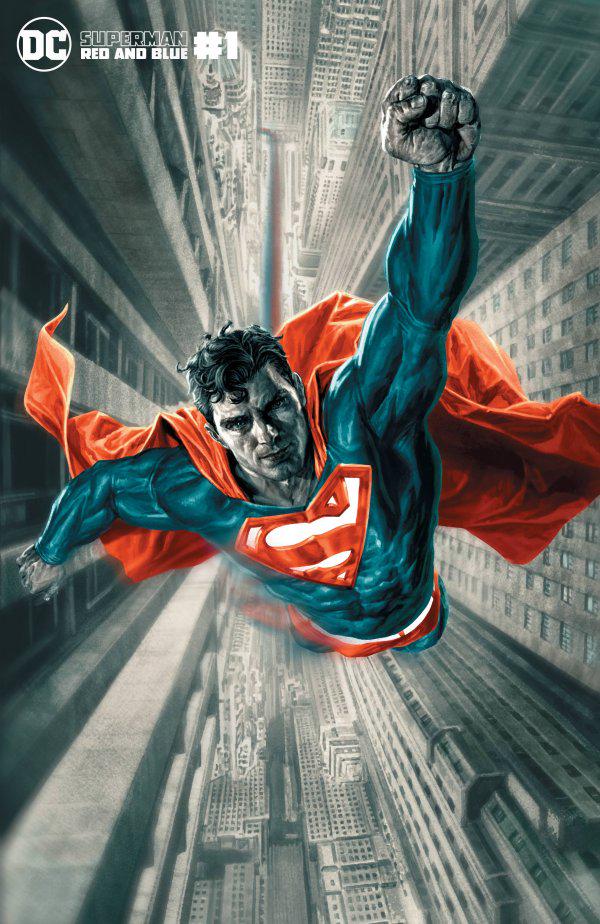
Superman Red and Blue #1
9.8
$109.99
9.6
—
9.4
—
RAW
$4.96
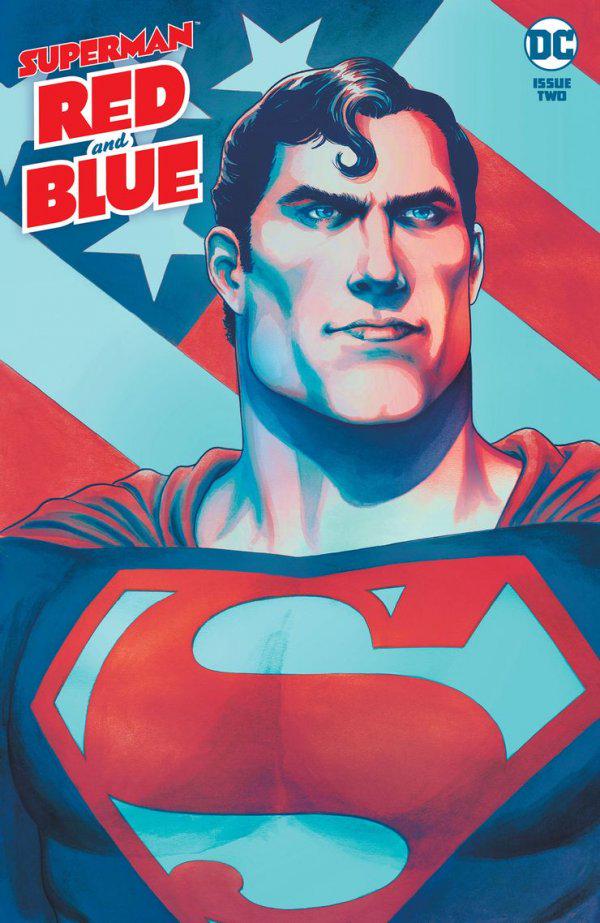
Superman Red and Blue #2
9.8
$85.00
9.6
—
9.4
—
RAW
$4.01
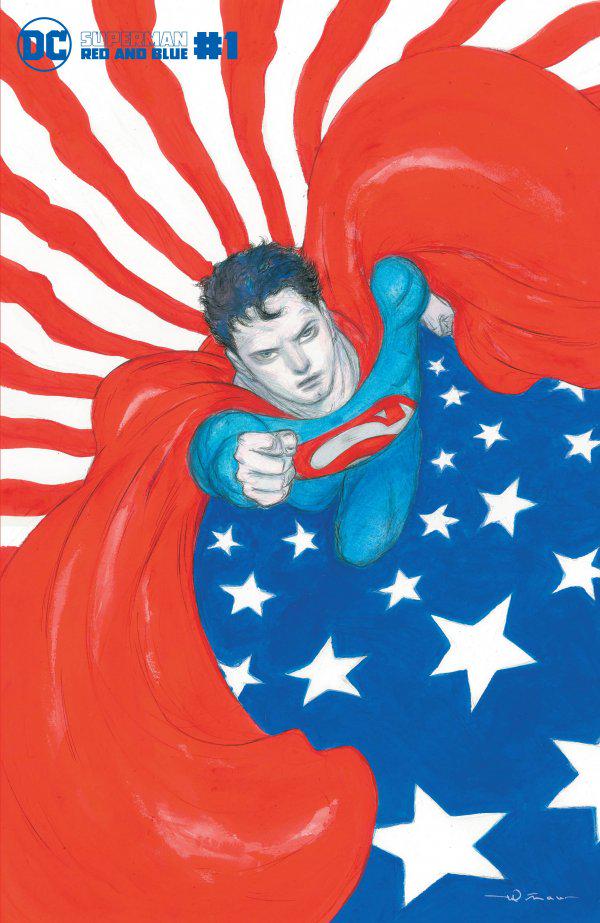
Superman Red and Blue #1
9.8
$81.55
9.6
—
9.4
—
RAW
$5.00
Superman Red and Blue #1
9.8
$79.99
9.6
—
9.4
—
RAW
$6.38
Superman Red and Blue #2
9.8
$76.00
9.6
—
9.4
—
RAW
$12.20
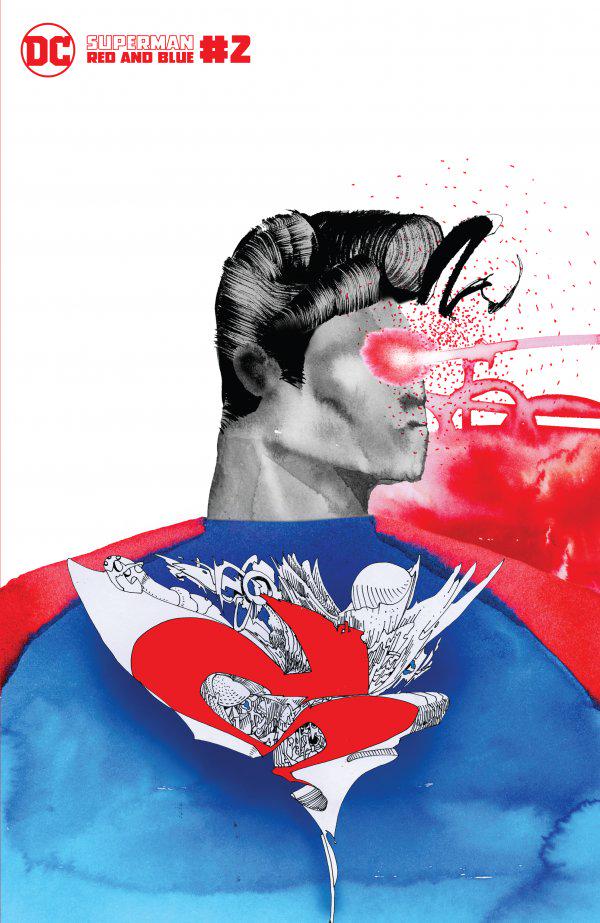
Clark Kent faces his fears when he interviews a foreign leader who once held a powerless Superman captive and tortured him.
Superman offers condolences to a young man who had written to Superman in the past for help with his mother's drug addiction. Superman apologizes for not being there in time to help, but learns that the mother had used Superman as an example to teach her son to have hope.
Clark recognizes an applicant for a job at the Daily Planet as someone who heroically saved Superman's life when he was younger.
Superman encounters a Fifth-Dimensional imp who has stolen all the colors in the world, leaving people without any memories of color but their behavior has been altered by the lack of color. The imp turns the colors over to Superman allowing him to choose if colors should be released back into the world, but warning him that colors will make life more complicated than a simple black and white world.
Five year old Clark is nervous about his first day of kindergarten, but finds that he easily fits in and makes new friends. However, when a new girl is shunned by the group, Clark must decide if he should risk his new friends to become friends with the new girl.
“No matter the consequences, I will always care.”
— Superman
Clark feels nervous and his palms are sweating. He hadn't felt this nervous since the time he moved an entire planet, and now, he is travelling to Lubania, a former Soviet nation that had now become a modern financial powerhouse. Clark's official assignment is to do an interview on one of Lubania's wealthiest entrepreneurs, but on a personal level, this journey serves as therapy to Clark. He asks for a taxi and travels to the Kelebnic Reducation Facility, also known as the "Prison with no Name." As he walks through the place, Clark remembers the last time he was in Lubania.
Superman had travelled to Lubania to address an emergency. Back then, he felt invincible and that nothing could hurt him, not the forces of nature or the laws of nations, but his time in Lubania was a huge wake-up call for him. The Soviet regime had found a way to synthesize Kryptonite radiation, not enough to kill Superman, but strong enough to take away his powers. Superman was captured, taken to the camp and thrown in with enemies of the regime. For eight months, Superman was beaten and tortured by Nikolai Koslov and his treatment was used by the regime as propaganda to prove the weakness of the West. Eventually, with Batman's help, Superman escaped the camp, but he's never felt free of it or of Koslov.
Clark returns to the taxi and, as he moves towards his interview, he thinks about the torture he endured. He privately admits that Koslov made him feel humilliated in a way Lex or Brainiac had never been able to do, and now, he's returning to Lubania to face Koslov yet again. After the fall of the Iron Curtain, Koslov spent time in his own camp until a truth and reconcilliation commission considered him punished enough for his crimes. Koslov then used his connections to build a business empire and now, he's one of the wealthiest men in Lubania.
During the interview, Koslov opined on everything from the scalability of global economics to the capitalization of cheap human labor in rising human nations. Eventually, Clark asked him if he felt regret about all the pain and sorrow he had caused. Clark hoped that Koslov was either genuinely remorseful, which would give Clark hope that Koslov was still a decent man, or that he wasn't remorseful at all, giving Clark the excuse to take revenge on all the suffering he endured at Koslov's hands.
Superman first visited Lubania in World's Finest Vol 1 192 and World's Finest Vol 1 193|193.
In the end, Koslov was neither reformed nor remorseless. He simply said that many people made mistakes during the Cold War, but in the end, the West won and it was time for everybody to move on. Clark thinks that it's easy for Koslov to talk about "moving on" because Koslov was the victimizer, not the victim. With the interview over, Koslov parts ways with Clark, who thinks that he could use the information he gathered to write a high-profile exposé on how Koslov was exploiting workers around the world, building wealth on their backs, but then, he watches the squad of police cars rushing past him. Clark understands that Koslov thrived in the past because few people cared enough to stop him.
Clark reveals his Superman uniform and tells himself that, no matter the consequences, he will always care.