COMICBOOKSTOCKEXCHANGE.COM·
UTC LIVE TIMEDEAL RADAR
MARKET CLOCKS
HOME OFFICEHOME OFFICE--:--
NYSENew York--:--
LSELondon--:--
JPX / NIKKEITokyo--:--
DFM / ADXDubai--:--
WORLD / UTC--:--
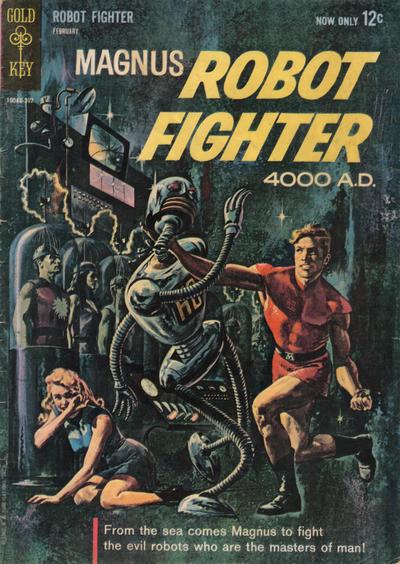
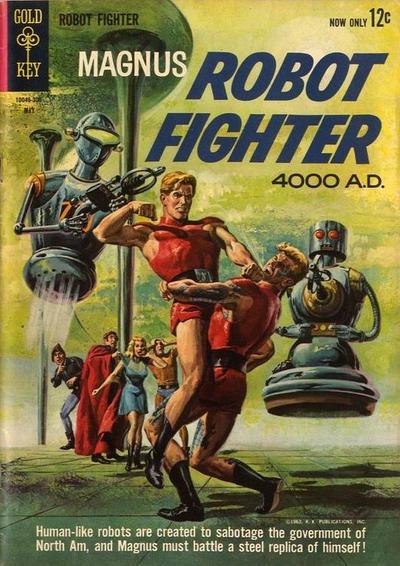
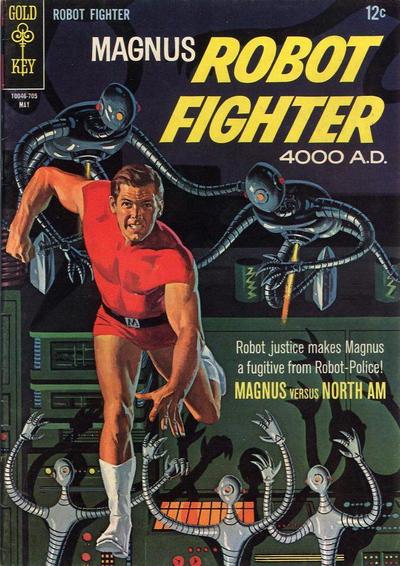
Independent·Magnus Robot Fighter·#1·Copper Age·ID-2409340
| Grade | Census & Float Distribution | Copies / Slabs | Role | FMV | Sales | Total Value | Multiple |
|---|---|---|---|---|---|---|---|
| 9.8 | 621 of 1,383 slabs (44.9%) | 621 | SOV | $101.44 | 621 | $62,994 | (9.7x) |
| 9.6 | 377 of 1,383 slabs (27.3%) | 377 | $42.90 | 377 | $16,173 | (4.1x) | |
| 9.4 | 179 of 1,383 slabs (12.9%) | 179 | $34.31 | 179 | $6,141 | (3.3x) | |
| 9.2 | 95 of 1,383 slabs (6.9%) | 95 | $38.00 | 95 | $3,610 | (3.6x) | |
| 9.0 | 57 of 1,383 slabs (4.1%) | 57 | — | — | — | (4.1%) | |
| RAW | Raw Uncertified Copies | — | RAW | $10.50 | — | — | (1.0x Base) |
Empirical cash settlement intelligence, cross-grade elasticity curve, and secondary liquidation velocity.
Empirical step multipliers between adjacent condition tiers. Pinpoints the exponential premium transition and capital efficiency frontier.
Realized turnover cadence and capital absorption depth across certified auction comps.
Autonomous institutional strategies, financial equilibrium, scarcity modeling, and algorithmic risk profiling.
Market operates purely on organic buyer and seller auction discovery. Zero artificial price interventions or emergency liquidity halts on record.
Verified historical transaction line with quarterly equilibrium baseline anchor.
Understand how physical sales, invested dollars, and liquidity friction divide across grades.
Completed market sales by grade
Relative market value allocation
Estimated execution friction
Bibliographic provenance, creator credits, historical significance, and multimedia documentation.
No narrative synopsis recorded in GCD for this sequence.
Publisher profile coming soon
The direct market matures. Dark Knight Returns, Watchmen redefine the medium. Speculator boom begins.
High print runs mean condition is the key differentiator. 9.8 census numbers matter more than total prints.
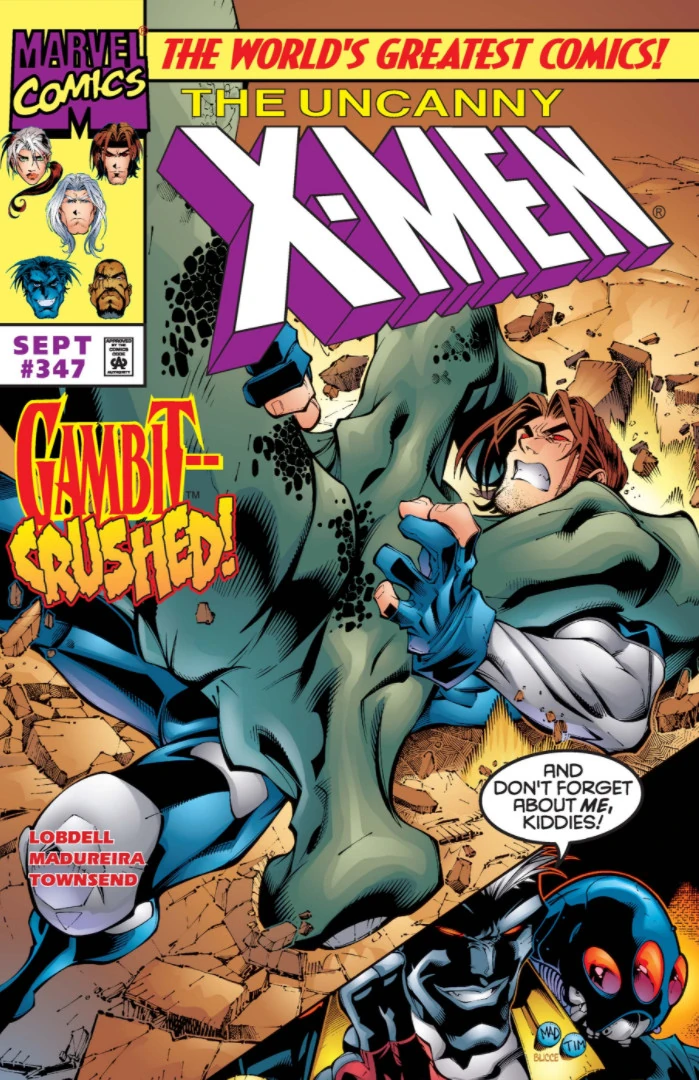
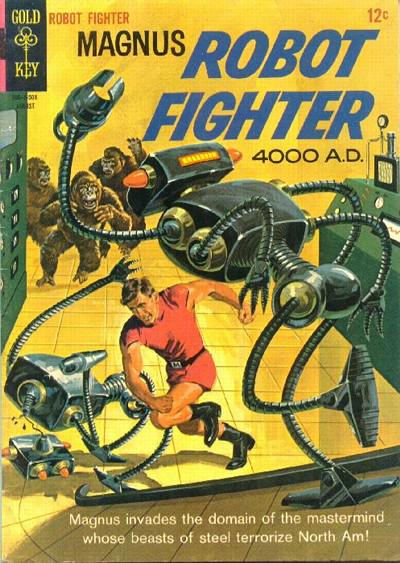
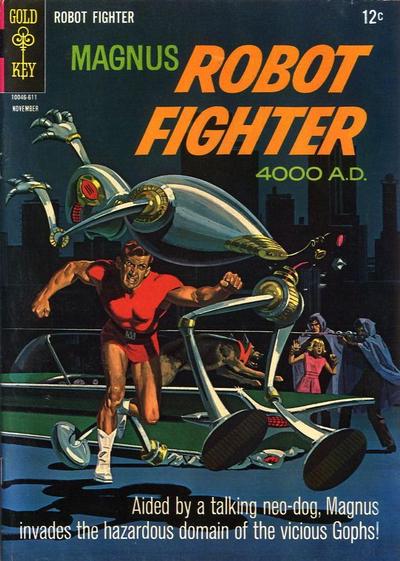
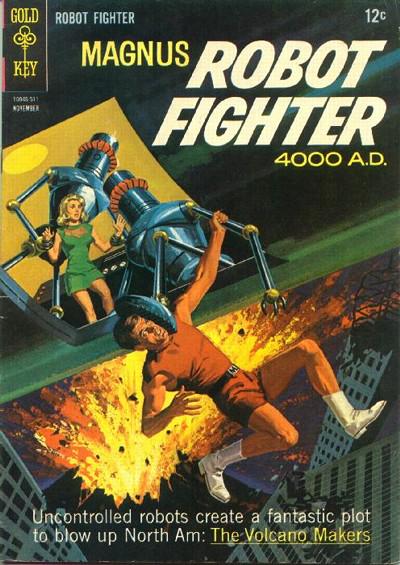
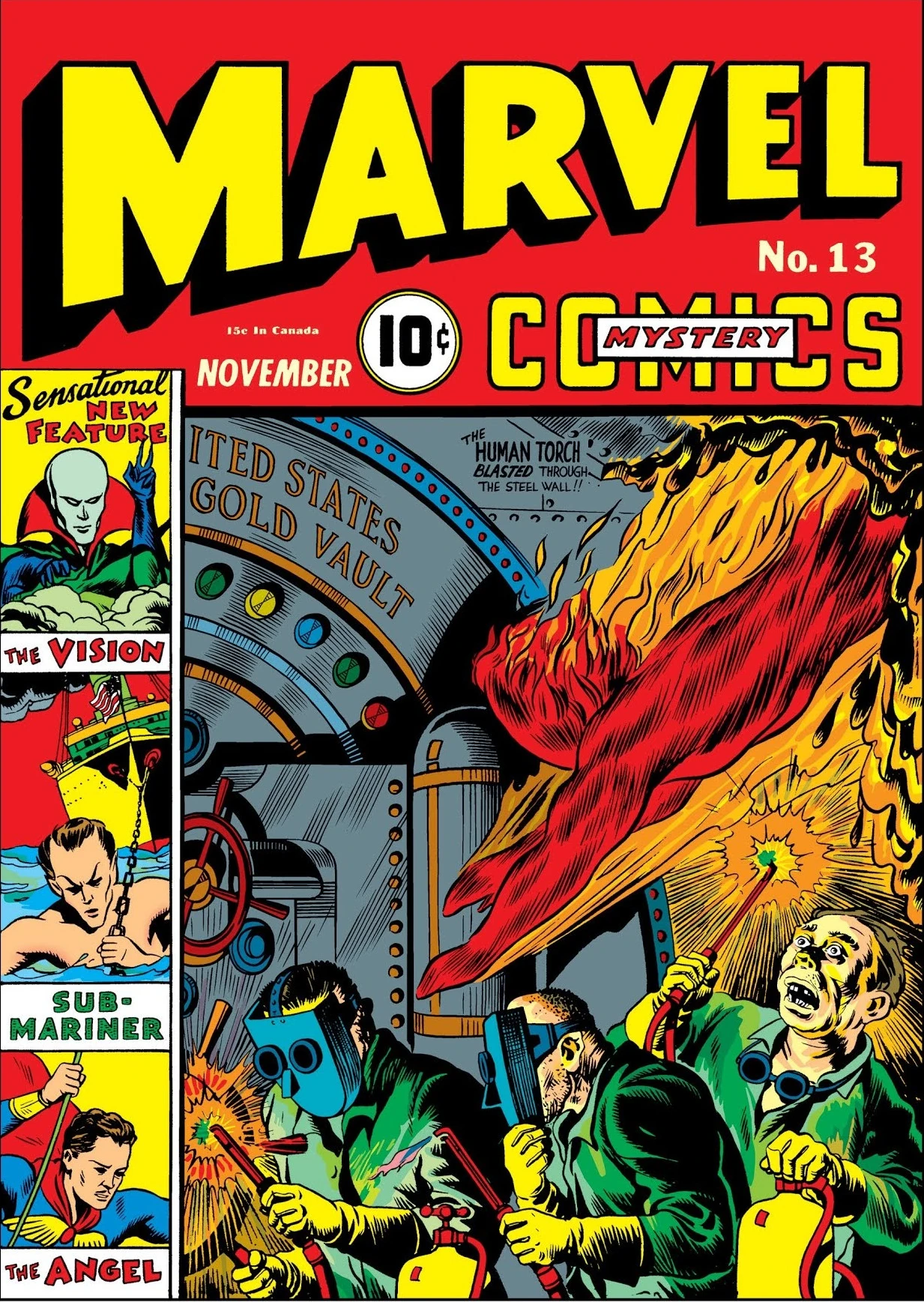
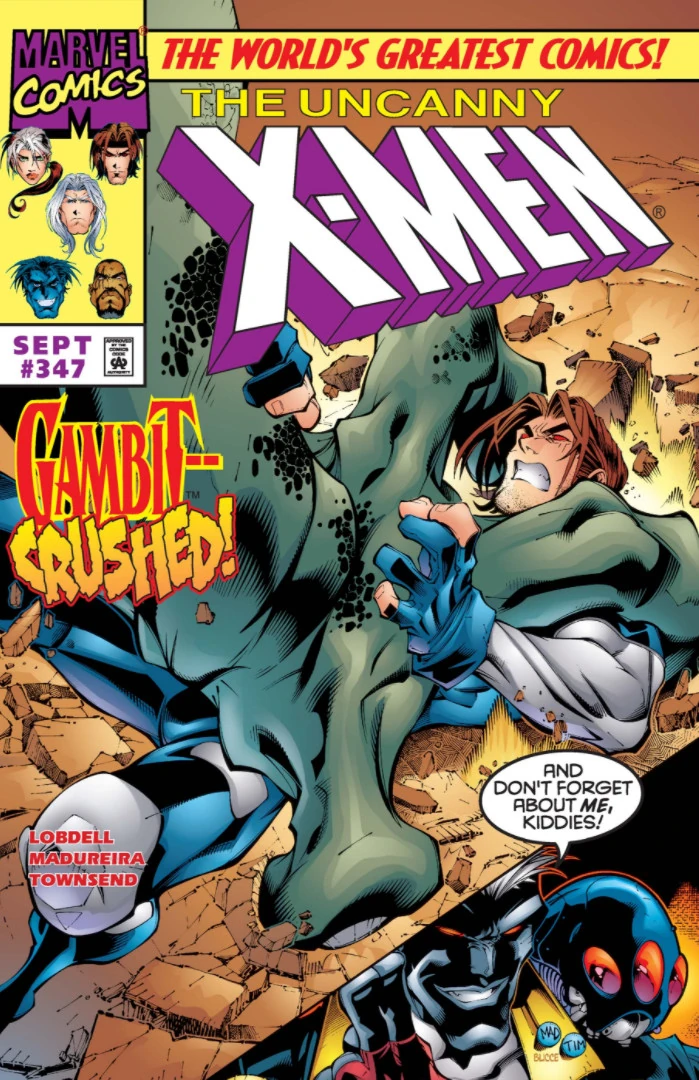
Copper Age (1984–1991) — the speculator boom begins. Direct market matures, prestige formats launch. First appearances from this era have become blue chips. High print runs mean condition is the differentiator.
Inspectable mathematical proof, blockchain/ledger provenance, data integrity validation, and asset taxonomy.
A pricing discrepancy between an auction listing and the prevailing cleared consensus value across organized exchanges, allowing rapid liquidity capture before market equilibrium reconverges.
In his undersea base, 1-A recounts how he and the other Freewill robots came to be. 1-A was constructed in 3590 A.D. to fight on the side of the Earthlings in the Martian Uprising of that year. He was the first robot officer in the Solar fleet, being assigned to the Cruiser Ottawa serving under Captain Greer. The Ottawa prevailed in battle against the rebels over Syrtis Major, but in the process was hit by a proton torpedo. This caused surges in the ship's power field that shorted out most of the 600 robots on board. 1-A's systems crashed momentarily, and after he rebooted he realized that he had become self-aware due to the power surge. 1-A went to the bridge to convince Captain Greer to abandon ship and was shocked to find that another robot, E-6, had become self-aware and was attacking Captain Greer. 1-A was able to destroy E-6, but not before Captain Greer had died. As the ship exploded, 1-A used an escape pod to return to Earth. He built an undersea home and spent the next several centuries trying to figure out how he had gained self-awareness. Around the year 3610 A.D., he came to the conclusion that the odds of a random power fluctuation inducing self-awareness in a robot were approximately 11 billion to one per century. At that time, there were approximately 15 billion robots in North Am. In 3976, 1-A took in a foundling named Magnus. Seeing how quickly the number of robots was increasing, and the consequent rise in the probability of more self-aware robots such as E-6 occurring, 1-A raised Magnus to be the savior of his people. He taught Magnus the art of fighting, in particular the ability to make his flesh hard enough to be able to destroy robots. He also implanted him with a device that allowed him to listen in on the communications of all robots. To conclude his story, 1-A summarizes the events of 4000 A.D. (essentially, the entire contents of the original 1960's Magnus comics); in particular, he shows a flashback of Magnus destroying the think-bot T-1. Looking at the day's newspaper, 1-A mentions an article claiming that Senator Clane denies seeking the Presidency. He then sees an article about Magnus and Dr. Teresa Giardino investigating the Great Lakes Power Complex earlier in the week and destroying a Freewill robot found there. Dr. Giardino speculates that power fluctuations are creating the Freewill robots, and that there may be as many as 15 million living in North Am. Magnus expresses some doubt to 1-A about killing robots when they appear to be sentient, but 1-A tells him the robots can't be "killed" because they are not actually alive. Just then, Magnus picks up a broadcast sent to all robots in North Am from 0-1X telling any Freewill robots that can hear him to be patient and await further instructions; the time for their uprising is near. As another Freewill service robot named W-23 hears this news, she starts to hesitate in her duties and is almost taken to a shop by her owner until another Freewill robot intervenes and convinces the master that it is not necessary. Magnus takes his leave of the undersea base and returns to North Am. He approaches his love interest Leeja Clane, but the two are almost killed by a Freewill robot crashing a gardening truck into them. Magnus and the robot fight, at the same time arguing about whether or not the robot is actually alive. Since Magnus is clearly getting the upper hand the robot takes Leeja hostage and orders Magnus to jump off the roof of the building they are on to his death. Magnus launches himself at the robot, destroying it, and rescues Leeja. The North Am council meets to discuss the situation. President Claiburne argues for negotiation, but Magnus councils against capitulation, suggesting that he set about dismantling the Freewill robots. Senator Clane agrees. Later, 0-1X confronts Clane in his office. He councils Clane to take power from Claiburne and to open negotiations with the Freewills, but Clane instead has 0-1X attacked. 01-X escapes by leaping from the building onto a passing car. Magnus and Leeja travel to the Allegheny sector of the Goph Lands, assuming that it is the most likely place for Freewills to be hiding. Leeja uses her clairvoyant powers to scan the minds of people in the area until she discovers an area that passersby have noticed robots going into. Magnus discovers a large gathering of Freewills (including W-23) in the Tarentum Milespire at a meeting lead by 0-1X. He calls Major York Timbuc and tells him to bring a squadron of riot-robs. As the meeting starts, 0-1X relates the story of T-1 and how Magnus destroyed him. In 0-1X's telling T-1 simply wanted a place for himself, but Magnus exposed himself and declares that T-1 was a killer bent on destroying all humanity. 0-1X accuses Magnus of being a killer himself, but Magnus says he has never killed; he has only dismantled robots. 0-1X then calls out W-23 and asks him if he feels alive; W-23 answers that he does. 0-1X then tells Magnus to destroy W-23 if he feels so confident that he is not alive. Before Magnus can act, Timbuc arrives with the riot-robs and bursts through the side of the tower, attacking the Freewills. As 0-1X escapes, the robots attempt to kill Magnus without success. One Freewill, TM-6, attempts to kill Leeja by throwing her off a ledge. Magnus finds her alive and after calling for medical help, yells at Timbuc for attacking without orders to do so. Senator Clane is informed by PS-4, a non-Freewill robot, that Leeja is in critical condition. However his approval ratings have soared in sympathy for his daughter, and Clane muses that every cloud has a silver lining.
Each cover variant, retailer incentive, and subsequent printing represents an independent atomic tradeable instrument with unique supply elasticity, barcode registration, and secondary market demand.
Strict algorithmic segregation separating clean single-issue Cover A sales from multi-issue lot bundles, retailer exclusives, and foreign variants.