COMICBOOKSTOCKEXCHANGE.COM·
UTC LIVE TIMEDEAL RADAR
MARKET CLOCKS
HOME OFFICEHOME OFFICE--:--
NYSENew York--:--
LSELondon--:--
JPX / NIKKEITokyo--:--
DFM / ADXDubai--:--
WORLD / UTC--:--
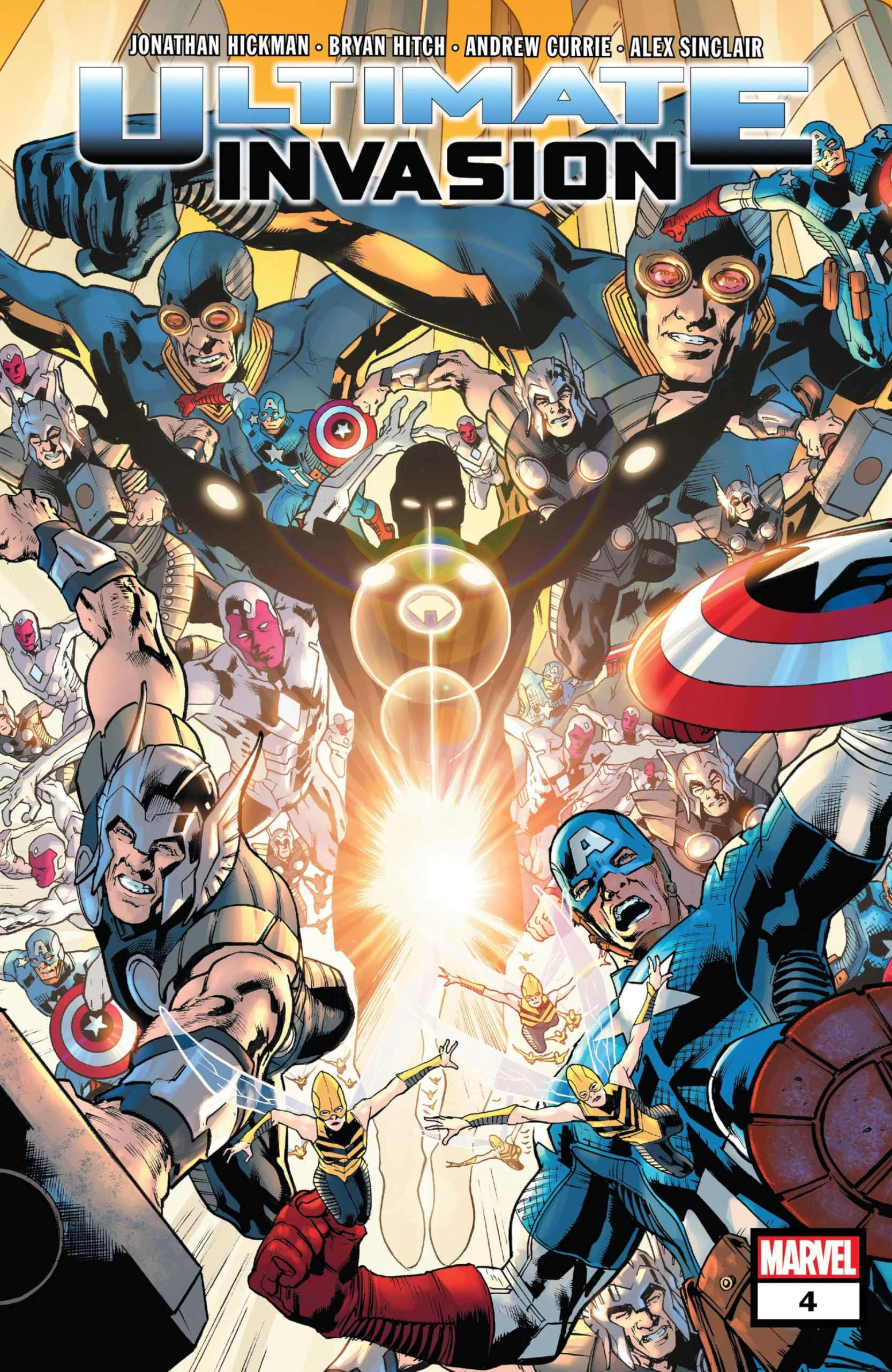
Independent·Ultimate Invasion·#4·Postmodern Age·ID-5834416
 Variant #2570893ACTIVE
| Grade | Census & Float Distribution | Copies / Slabs | Role | FMV | Sales | Total Value | Multiple |
|---|---|---|---|---|---|---|---|
| 9.8 | 6 of 6 slabs (100.0%) | 6 | SOV | $35.75 | 6 | $214.50 | (4.5x) |
| 9.6 | 0 slabs | 0 | — | — | — | — | |
| 9.4 | 0 slabs | 0 | — | — | — | — | |
| 9.2 | 0 slabs | 0 | $17.16 | — | — | (2.1x) | |
| 9.0 | 0 slabs | 0 | — | — | — | — | |
| RAW | Raw Uncertified Copies | — | RAW | $8.00 | — | — | (1.0x Base) |
Autonomous institutional strategies, financial equilibrium, scarcity modeling, and algorithmic risk profiling.
Market operates purely on organic buyer and seller auction discovery. Zero artificial price interventions or emergency liquidity halts on record.
Understand how physical sales, invested dollars, and liquidity friction divide across grades.
Completed market sales by grade
Relative market value allocation
Estimated execution friction
Bibliographic provenance, creator credits, historical significance, and multimedia documentation.
Jonathan Hickman
Bryan Hitch
Andrew Currie
Alex Sinclair
Michelle Marchese, Wil Moss, Tom Brevoort
No narrative synopsis recorded in GCD for this sequence.
Publisher profile coming soon
Deconstructionist storytelling. Trade-first publishing. Creator prestige over character IP.
Value driven by creator reputation and adaptation potential rather than print scarcity.

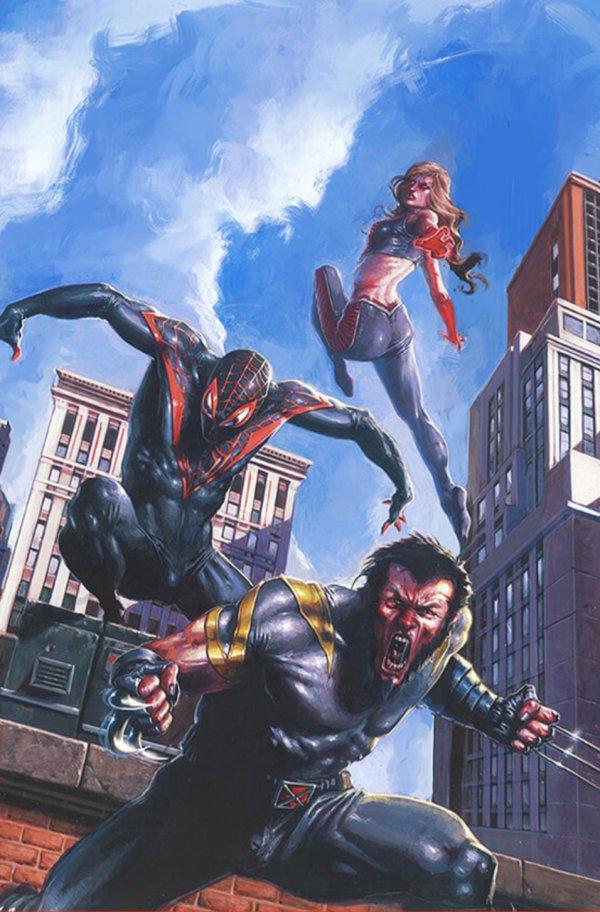
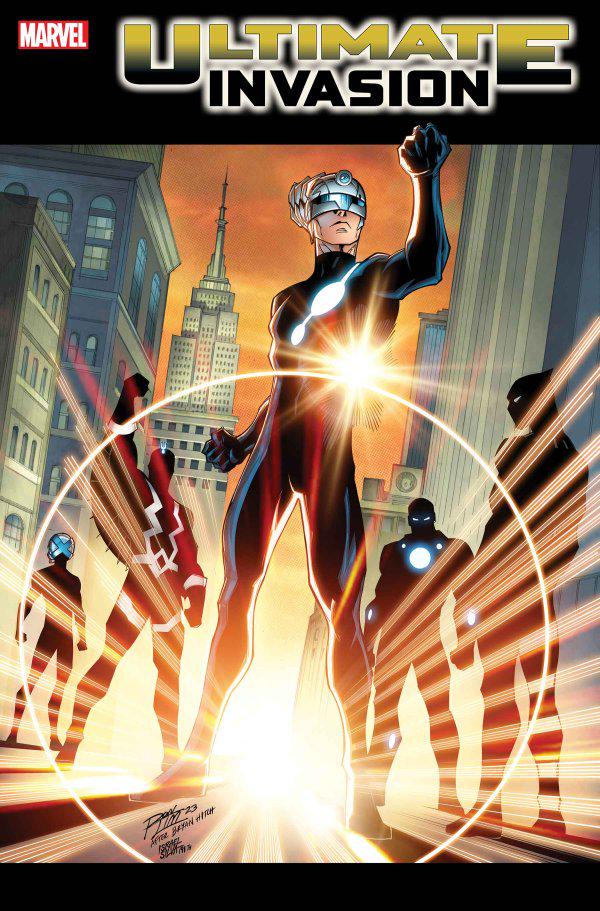
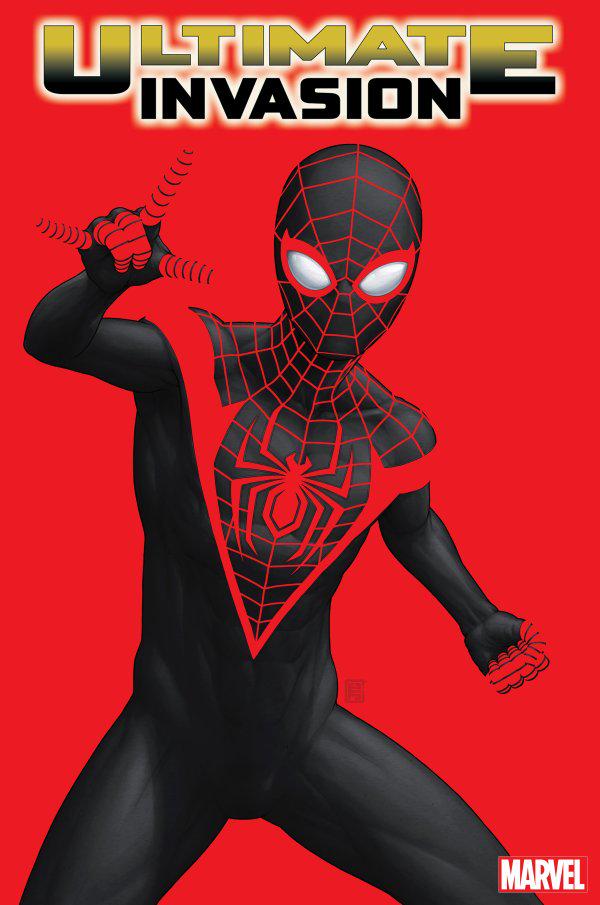
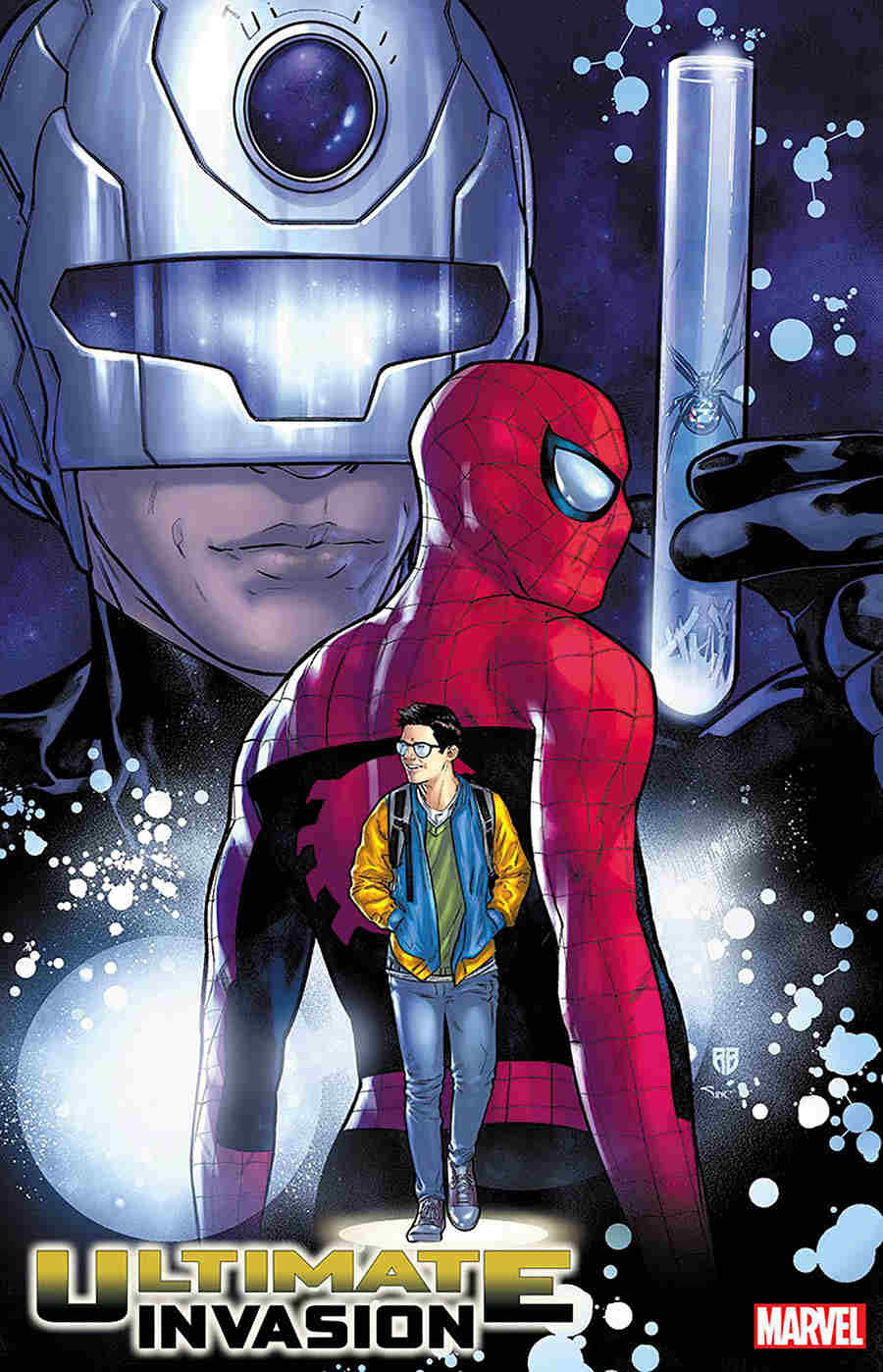
Postmodern era — deconstructionist storytelling and trade paperback culture. Sustained demand comes from adaptations and creator prestige rather than print scarcity.
Inspectable mathematical proof, blockchain/ledger provenance, data integrity validation, and asset taxonomy.
The recovery of third-party encapsulation and grading expenditures when an asset is acquired at a discount below the physical cost of replacement grading fees, shipping, and insurance.
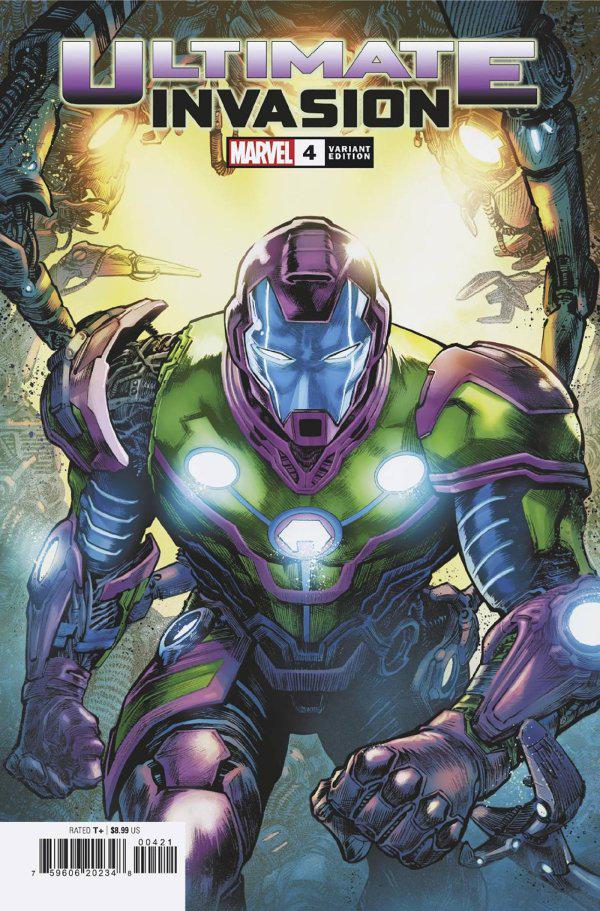
Howard Stark and Reed Richards work on finishing the Immortus Engine. Reed then tells Howard that he knows secrets about the Maker, such as where he came from and how he made their world as it is now. Howard asks Reed how long he had been imprisoned in the City to which he replies that he does not know how long; the Maker hated him (for which Reed does not know why) and had cruelly tortured him by tricking him into keeping track of time. After hearing this, Howard offers to help Reed to escape. One week later, Howard and Reed had finished the Immortus Engine. Howard prepares to give the device to the Maker after he gives Reed a message for Tony. The Maker is pleased with Howard’s work. Howard, however, corrects the Maker that he merely copied the engine and made a better version of it; the other engine was made by someone else, presumably the Maker from the past. The Maker muses that he will possibly take the new engine to his past self and then make his own Immortus Engine. Just as Howard and the Maker are talking, Reed covertly escapes his prison and proceeds to act on Howard’s plans against the Maker by sabotaging the City's mainframe, shutting down its temporal shield and allowing Kang and his army to breach the City. An intense battle ensues as Kang’s army faces the Children of Tomorrow. The Maker angrily berates Howard for dooming all of the Maker’s work and the world that he had made, and that Howard will die along with it. The Maker then fights through the invaders and confronts Kang. The two battle in which Kang smashes the Maker’s head and breaks his helmet into pieces. Kang’s temporal power indirectly repairs the Maker's injured head and causes him to remember who Kang is. In the past, the Maker used the Immortus Engine to travel to the far future to know what has become of the world he had remade. Instead, he found himself in the presence of Kang, who had been waiting for him. Kang then told the Maker that he is his maker and a witness to his origin before blasting half of the Maker's head. Meanwhile, Howard became caught up in the battle and his armor is damaged by one of the Thor clones. Howard crash lands next to the Immortus Engine, which he then attaches it into his armor. Wielding the engine's power, he shuts down its damper which then releases a powerful blast that knocks out everyone in the City including Kang and the Maker. At the Maker's castle outside of the City, Reed takes the damaged Immortus Engine. Back in the City, Howard emerges from his wrecked armor and approaches Kang's body; he then takes Kang's mask off and is surprised and saddened to see Kang's real identity. Then, as a further result of Howard and Reed's sabotage, the City is closed off from the outside world and trapping everyone inside. One week later... The world's leaders gathered at the Maker's castle and discussed the Maker's fate inside the City. They have no means of opening the City and they are also aware that time inside the City goes very long, as three months passed on the outside would be equal to three-thousand years inside it. Emmanuel Da Costa states that the City will only reopen after two years, and everyone is very uncertain what will come out from it. The leaders then move their discussion to the status of the United States and the North American Union that is currently without its sovereign leaders, as Obadiah Stane is deceased and Howard's fate remains unknown. They decide to vote on whether to appoint a new leader for the NAU, or (as first suggested by Magik) to split the NAU amongst themselves. At Stark Tower, Reed had met with Tony and had given him his father's letter, the damaged Immortus Engine, and the Maker's secret files from Earth-616. Although Tony is saddened over Howard's unknown fate, he is now determined to carry on his father's mission to undo the Maker's works. With Reed's help, Tony constructs a new armor with the repaired Immortus Engine built into it. He decides not to call himself Iron Man, as he feels the title still belongs to Howard, but instead takes up the temporary title "Iron Lad" until he earns a better name.
Each cover variant, retailer incentive, and subsequent printing represents an independent atomic tradeable instrument with unique supply elasticity, barcode registration, and secondary market demand.
Strict algorithmic segregation separating clean single-issue Cover A sales from multi-issue lot bundles, retailer exclusives, and foreign variants.